
Boston Transit Fares Jump 400% for 2026 World Cup Matches
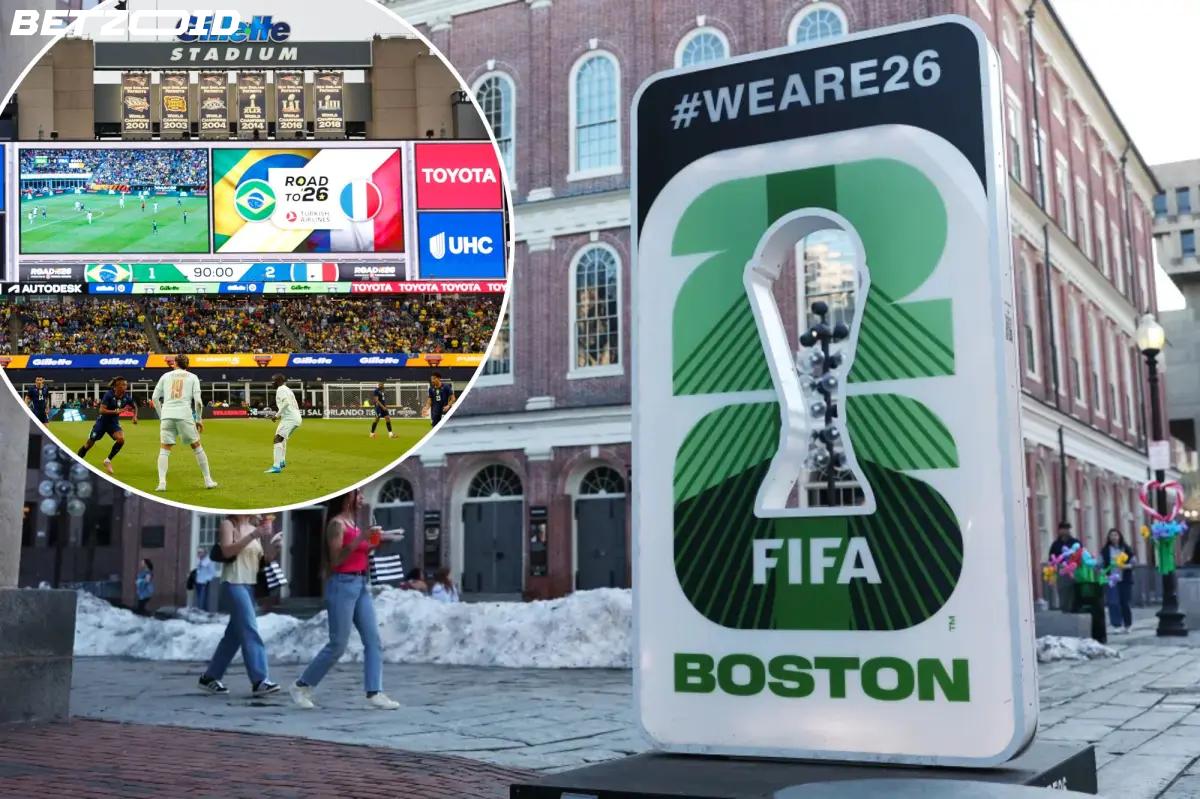
Football supporters heading to the 2026 FIFA World Cup in Boston are facing what advocacy groups are calling price gouging on public transportation.
The Massachusetts Bay Transportation Authority announced this week that return train tickets from downtown Boston to Gillette Stadium will be priced at $80 USD during the tournament. Under normal circumstances, the identical journey costs just $20—representing a staggering 400% price increase for a route that fans have virtually no alternative to using, considering the stadium's location in Foxborough, well outside Boston proper.
Transportation costs rival ticket prices
The train service won't be the only expensive option. Boston's host committee is planning shuttle bus service to Foxborough, with fares potentially reaching $90 per person. A family of four could end up spending $360 on transportation alone before entering the venue—not including food, beverages, or merchandise.
The Free Lions, a support organization for travelling England supporters, issued a sharp critique of the pricing structure. "For a stadium located so far from its advertised city, all organizers had an obligation to ensure supporters could access it sustainably and at reasonable cost," the group stated. English fans have particular reason for concern, as Gillette Stadium will host seven World Cup fixtures, including matches featuring the England national team.
Unfortunately, this isn't an isolated incident but rather part of a broader trend for the 2026 tournament. FIFA recently increased top-tier final tickets at MetLife Stadium to $10,990 USD, up from $8,680 just weeks prior. Category 2 seats now cost $7,380, while Category 3 tickets are priced at $5,785. These price hikes appear to be gaining momentum as the tournament draws closer.
New York commuters face access restrictions
Simultaneously, reports emerged that Penn Station in New York could be restricted exclusively to World Cup ticket holders on match days at MetLife Stadium, potentially disrupting regular New Jersey Transit passengers. While the New York-New Jersey host committee promised a comprehensive mobility plan is forthcoming, they've provided no concrete details or reassurances to date.
The 2026 World Cup was meant to showcase American soccer's evolution on the global stage. Instead, it's becoming a cautionary tale about the financial burden placed on supporters who simply want to attend matches in person.