
Casemiro Departs Manchester United Following Impressive Comeback Season
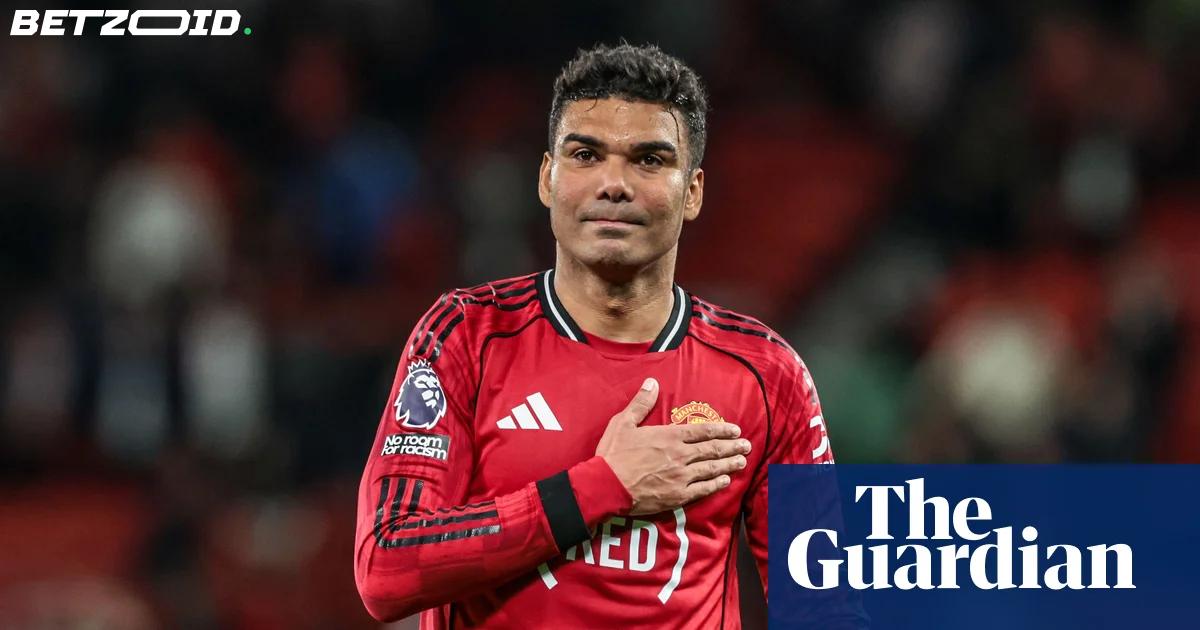
"Retire from the game before the game retires you." That's what Jamie Carragher said about Casemiro back in May 2024. As the Brazilian veteran prepares to exit Old Trafford this summer, he's proven that assessment premature—posting nine league goals, two assists, 31 starting appearances, and a journey to the Europa League final. Quite the response.
Context matters when examining Carragher's initial judgment. The Sky Sports pundit made those comments on Monday Night Football following Manchester United's embarrassing 4-0 defeat at Crystal Palace, where Casemiro appeared to be exactly what doubters claimed: a fading, overpaid midfielder past his prime. Sir Jim Ratcliffe had publicly cited him as evidence of questionable transfer decisions. Erik ten Hag's regime was discreetly testing the market for his services. Meanwhile, the midfielder collected roughly £365,000 weekly while delivering minimal value.
Amorim's arrival sparked transformation—after initial struggles
Casemiro's resurgence wasn't straightforward. When Ruben Amorim replaced Ten Hag, circumstances initially deteriorated. Throughout five January Premier League fixtures—against Liverpool, Arsenal, Southampton, Brighton and Fulham—Casemiro remained glued to the bench. The coaching staff preferred 21-year-old Toby Collyer as a substitute option. His United career seemed finished.
Everything shifted when Amorim pivoted toward the Europa League campaign. Casemiro's fortunes reversed completely. He started Premier League matches against Tottenham and Everton. He featured in both knockout legs versus Real Sociedad in the round of 16. He played both quarter-final encounters with Lyon. He was instrumental in the semi-final victory over Athletic Bilbao. He started the final against Spurs. Amorim didn't simply utilize him—he constructed tactics around his strengths.
"Initially he ranked behind every midfielder on the depth chart, including Toby, but he battled and put in the effort, and now he's regained his spot with the national team," Amorim explained. That final detail carries significance: Casemiro has reclaimed his starting role for Brazil as they prepare for the upcoming World Cup cycle. Carragher, demonstrating integrity, walked back his earlier criticism in February. "It's now appropriate to acknowledge the game hasn't passed him by," he admitted.
The logic behind his departure
Despite this impressive turnaround, keeping Casemiro wouldn't be wise for United. Michael Carrick—who filled a similar role at Old Trafford into his late 30s—confirmed following Monday's 2-1 victory over Brentford that Casemiro's departure decision remains firm. At 34 years old, turning 35 before next season, it's the sensible choice.
There's a worthwhile comparison to Mohamed Salah's decline at Liverpool this campaign. An alternate reality exists where Casemiro extends his stay one season beyond optimal timing and tarnishes his legacy. Instead, he's exiting with his standing restored, his physical condition solid, and attractive opportunities—likely in MLS or Saudi Arabia—still available.
Regarding United's midfield blueprint, his departure creates a genuine void. Casemiro's nine league goals this season positioned him as their second-leading scorer behind only Benjamin Sesko. When a defensive midfielder generates that offensive production for a squad that struggled scoring throughout the campaign, replacement becomes challenging. Anyone evaluating United's top-four prospects for next season must account for this loss.
"Maintaining elite performance over an extended period requires tremendous sacrifice and dedication," Carrick noted. "What he's accomplished throughout such a lengthy career demands substantial effort and deserves considerable recognition."
Carrick's assessment rings true. Casemiro spent half this season watching from the sidelines while a teenager earned playing time ahead of him. He didn't manufacture controversy or force an exit. He remained patient, dedicated himself to improvement, and ultimately reached a European final. That's the narrative accompanying his departure.