
Nigerian Football Legend Oliseh Slams Super Eagles' AFCON Bronze Medal Celebrations
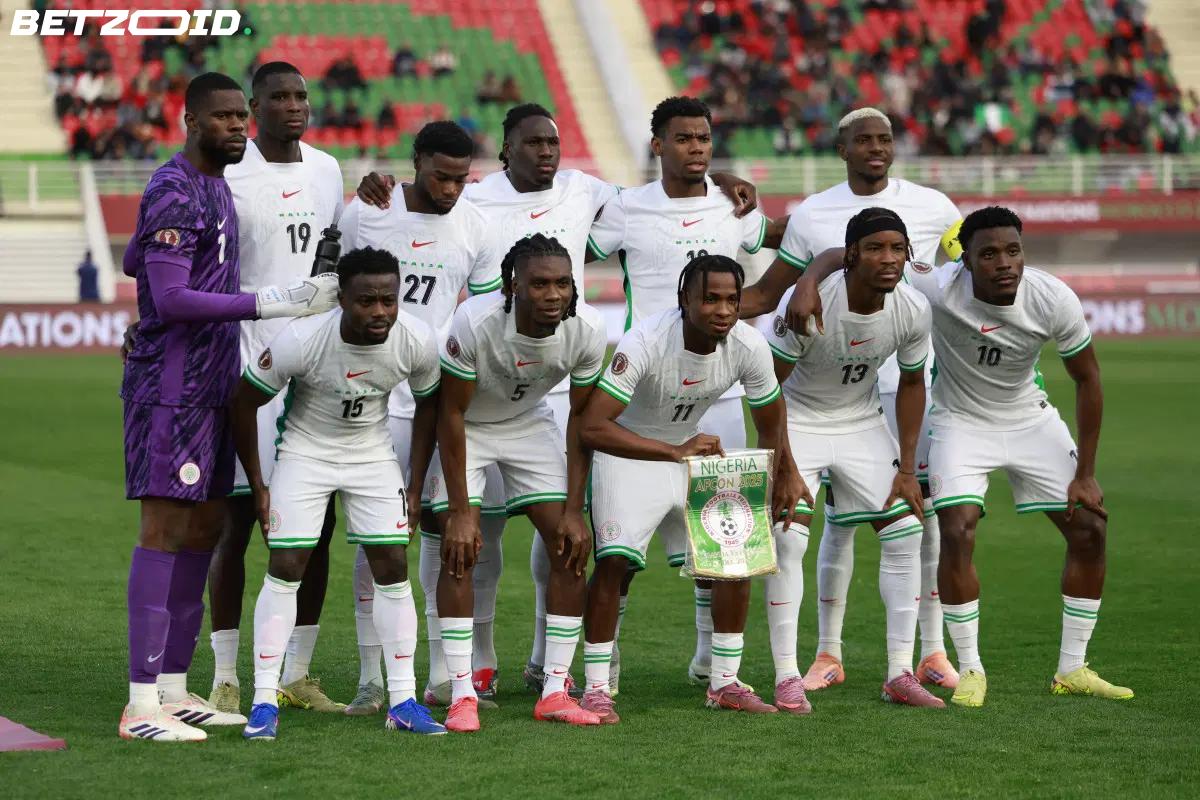
Sunday Oliseh isn't holding back when discussing Nigeria's showing at the 2025 Africa Cup of Nations. The Super Eagles icon has ignited significant controversy with his pointed criticism of the national team's bronze medal festivities.
Serving as a CAF commentator throughout the tournament, Oliseh delivered a no-holds-barred assessment via his YouTube channel. His central argument? "Bronze isn't a trophy," and celebrating third place fosters a problematic acceptance of mediocrity.
The former national team captain brings substantial credibility to his critique. He featured in Nigeria's 1994 AFCON championship squad and the celebrated 1996 Olympic gold medal-winning team. His memorable strike against Spain at the 1998 World Cup remains etched in Nigerian football history.
However, his recent remarks have generated the most buzz. Oliseh went beyond criticizing the celebrations—he specifically called out Victor Osimhen. According to the former midfielder, Osimhen's on-field confrontation with Ademola Lookman during the Mozambique match disrupted Lookman's concentration and negatively impacted team cohesion.
National Recognition for Second Place? Crossing the Line?
This is where the situation becomes particularly contentious. Nigeria's squad received national honours from President Tinubu after placing second at the previous AFCON tournament in Ivory Coast—an unprecedented move in Nigerian football.
Consider the contrast—legendary players who successfully guided Nigeria to World Cup qualification never enjoyed similar recognition. Stars like Julius Aghahowa, Obafemi Martins, and Osazee Odemwingie accomplished more significant feats yet received far less acknowledgment. For football bettors monitoring Nigeria's trajectory, this precedent raises legitimate concerns about future motivation and competitive standards.
Oliseh echoes this concern. A nation with Nigeria's football pedigree—essentially Africa's answer to Brazil—shouldn't excessively celebrate bronze. While the achievement required determination, the squad displayed some of their finest football in recent memory. They should have expected more from themselves.
The Nigerian Football Federation (NFF) has faced accusations of strategic deflection. Rather than addressing Nigeria's World Cup qualification shortcomings, officials have redirected focus toward Congo DR's player eligibility controversies. While Nigeria may have legitimate grievances, it appears to sidestep pressing domestic issues.
Did Oliseh Go Overboard?
Here's the reality—Oliseh may have valid concerns about settling for less, but singling out Osimhen for the semi-final defeat seems excessive. Nigeria actually delivered an exceptional performance against Algeria in the quarter-finals following the Mozambique incident. The semi-final setback stemmed from tactical deficiencies, not emotional factors.
Morocco simply outmaneuvered Nigeria strategically. They analyzed the Super Eagles' offensive approach and executed a flawless counter-strategy. That responsibility falls on the technical staff, not Osimhen's competitive spirit.
Osimhen's background deserves consideration too. He didn't develop through privileged academy systems—he emerged from Lagos's challenging streets, and that competitive edge contributes to his effectiveness. It's contradictory to want his intensity while rejecting his temperament.
Oliseh himself has generated controversy. Recall when he controversially ended Vincent Enyeama's international career following a dispute? Everyone, including legends, makes questionable decisions.
For Nigerian football's advancement, priorities must shift. The 2026 World Cup qualifiers will prove critical for betting markets and national prestige. The NFF requires a concrete strategy—no more complicated mathematical scenarios or depending on competitors' failures.
The talent pool is undeniable. Nigeria demonstrated at AFCON 2025 their ability to match any opponent. However, legends like Oliseh should be rallying the team, not creating division through public criticism.
As the Yoruba proverb states—what you publicly call your child becomes what others will call them. Constructive feedback has value, but publicly shaming players could prove counterproductive. Nigerian football needs forward momentum, not internal conflict among its icons.