
Why Real Madrid Will Never Match Barcelona's Transformative Legacy
Real Madrid collects silverware with remarkable consistency. They seem to casually accumulate Champions League trophies while rival clubs struggle desperately to capture even one. However, there's more to creating a lasting legacy than simply hoisting hardware.
Without question, Madrid stands as the most successful club of the 21st century. Yet when football supporters discuss truly legendary squads, Barcelona's name surfaces more frequently. The influence Pep Guardiola's Barcelona exerted on the beautiful game extends far beyond their impressive trophy cabinet.
Cast your mind back to Barcelona's early 2010s dynasty. Xavi Hernandez, Andres Iniesta, and Lionel Messi orchestrating that mesmerizing possession-based football? That team didn't merely accumulate victories – they fundamentally altered how the football world approaches the sport. Their tactical philosophy continues to be analyzed and imitated across the globe today.
In contrast, Real Madrid simply assembles one superstar after another. They certainly possess extraordinary attacking prowess. But there's no cohesive identity. No enduring tactical influence beyond the numerical trophy count. And that reality frustrates Madrid's leadership immensely.
The Quest for Madrid's Own Guardiola
Madrid has been frantically searching for their version of Guardiola. Someone capable of constructing a dynasty founded on footballing philosophy, not merely marquee signings. Zinedine Zidane captured three consecutive Champions League crowns, yet even the French legend failed to establish a distinctive tactical blueprint.
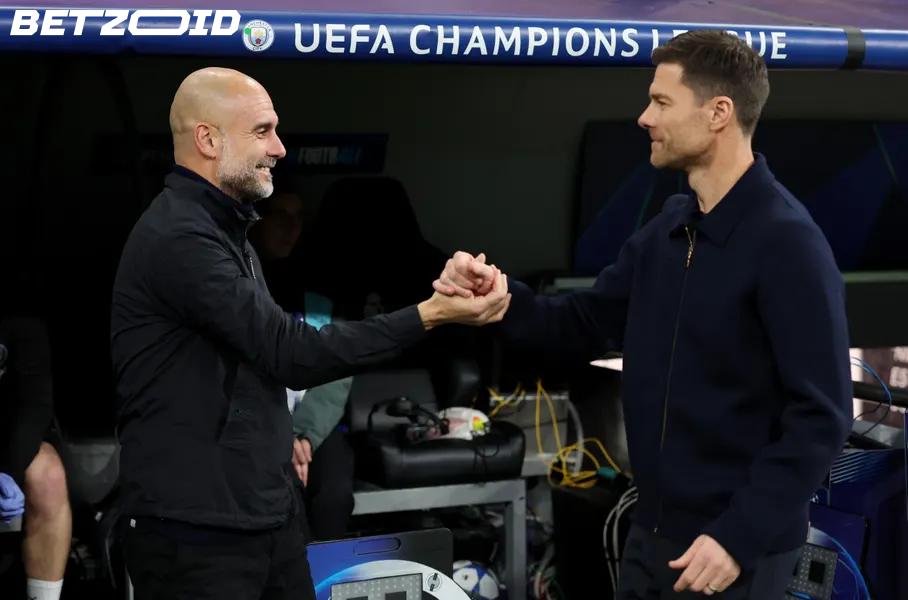
Enter Xabi Alonso. Coming off a sensational campaign with Bayer Leverkusen, he appeared to be the ideal candidate. The Basque midfielder had previously represented Madrid and learned directly under Guardiola. He delivered contemporary tactical approaches and innovative concepts.
For wagering markets, Alonso's hiring initially seemed encouraging. Clubs with defined tactical frameworks typically deliver more predictable performances. However, Madrid's star-centric culture was inevitably going to conflict with that methodology.
The clash materialized immediately. Complications emerged from the outset. Vinicius Junior openly questioned the tactical direction. Squad members appeared dissatisfied. Disappointing results mounted, and Alonso received his dismissal swiftly.
Why Los Blancos Will Never Transform
Spanish football authority Guillem Balague reported the club provided Alonso with ambiguous explanations for his termination. They claimed he couldn't successfully implement his Leverkusen system. That individual players weren't developing. That the squad wasn't responding to his leadership.
But the fundamental problem runs deeper – Madrid's organizational structure makes it virtually impossible for any manager to genuinely revolutionize the institution. Alonso himself acknowledged this reality, stating that coaches must conform to Madrid's established culture rather than attempting to reshape it.
At Leverkusen, Alonso's squad competed with relentless energy and unmistakable tactical clarity. At Madrid, he appeared to be abandoning his core principles from day one. That's a concerning indicator for anyone wagering on Madrid to display consistent tactical patterns throughout this campaign.
The ultimate truth? Real Madrid will continue capturing trophies. Their talent pool guarantees it. But they'll never manufacture that enchanting, game-changing identity that Barcelona accomplished. Their institutional culture simply prohibits it.
Alonso's departure statement revealed everything: "This professional chapter is over, and it didn't go as we would have liked." Another manager attempted to construct something extraordinary at Madrid. Another manager departed unsuccessful because the club's fundamental nature refuses to evolve.