
World Cup Ticket Resale Market Explodes: Single Tickets Reach $230,000 as FIFA Profits Twice
The ticket market for the 2026 World Cup is reaching unprecedented levels, with prices soaring to astronomical heights. Despite the steep costs, millions of football fans worldwide are clamouring to secure their spots at the tournament co-hosted by Canada, the United States, and Mexico this summer.
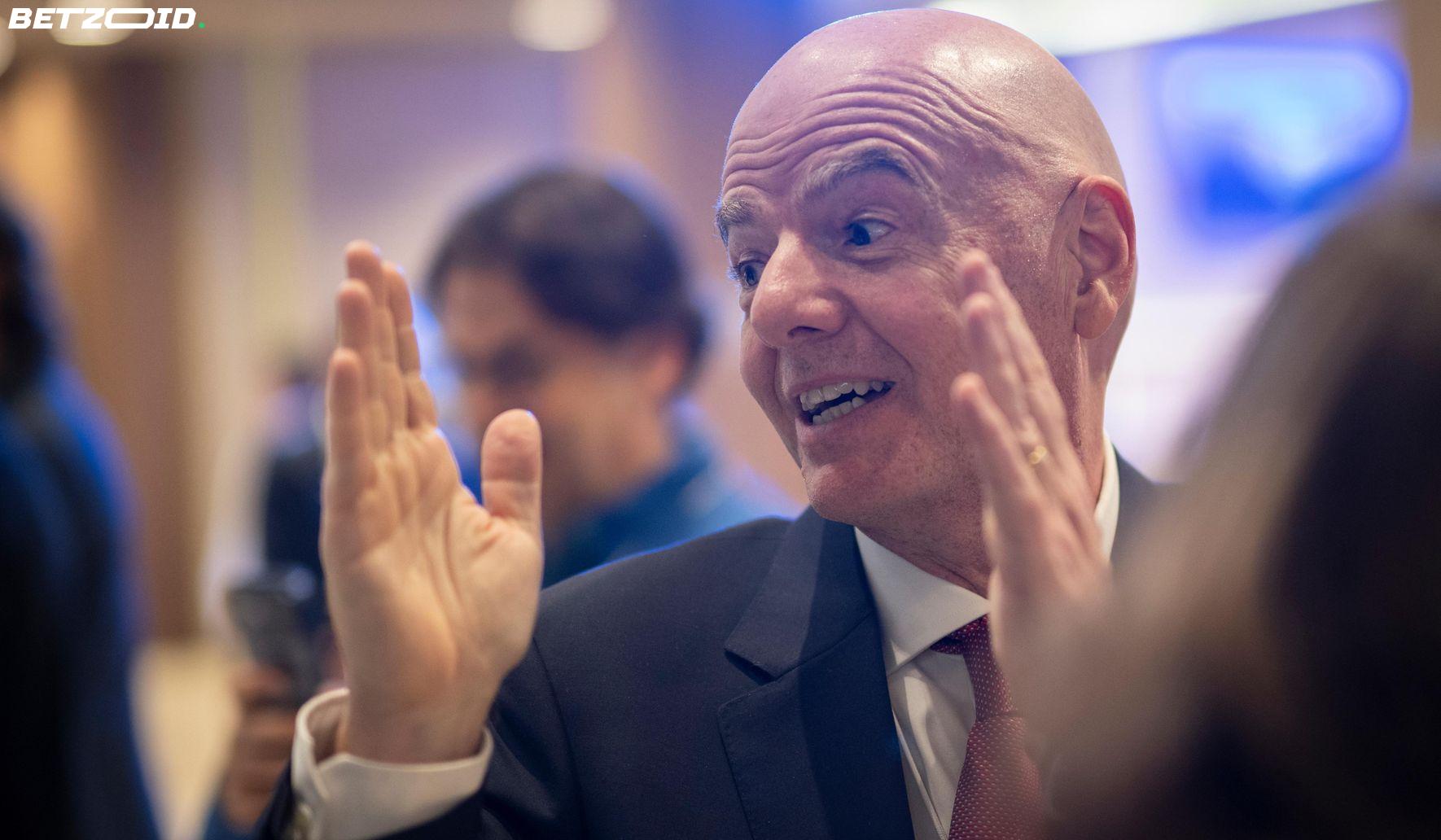
Speaking at the World Economic Forum, FIFA president Gianni Infantino revealed staggering statistics about ticket demand. During the initial four weeks of sales, FIFA received ticket requests that would be equivalent to supplying 1,000 World Cup tournaments.
"Throughout nearly 100 years of World Cup history, FIFA has sold approximately 50 million tickets combined," Infantino stated. "For this upcoming World Cup, in just four weeks of sales availability, we've seen requests equivalent to 1,000 World Cups happening simultaneously."
This unprecedented demand has turned the secondary ticket market into a lucrative opportunity for resellers. On FIFA's official resale platform, a single ticket for the final match was listed this week at an eye-watering $230,000 – surpassing the annual income of most Canadians.
FIFA's Dual Revenue Strategy
The financial mechanics of FIFA's resale system have raised eyebrows. While FIFA doesn't control the resale pricing, the organization collects a 30% commission on every transaction completed through their platform. This means when a ticket changes hands for $100,000, FIFA receives $30,000 – despite having already sold that identical ticket at its original face value.
Infantino justified this policy by emphasizing that ticket reselling is entirely legal in the United States. "We must naturally permit this practice," he explained. He also guaranteed that all 104 tournament matches will be sold out, suggesting resale values could climb even higher as the tournament approaches.
Even the initial ticket prices were substantial. FIFA set premium seat prices at up to $8,680 per ticket. Following public criticism, the organization announced plans to make some $60 tickets available to each of the 48 participating nations. However, securing one of these affordable options will be extremely challenging.
The secondary market tells an even more dramatic story. While FIFA sells category one final tickets for $8,680, comparable tickets on their resale platform this week started at $16,000 – nearly double the face value. Should that transaction complete, FIFA would earn an additional $4,800 through their 30% commission.
Supporter Organizations Voice Concerns
Football Supporters Europe has condemned FIFA's pricing approach as a "monumental betrayal" of fans. Executive director Ronan Evain told media outlets he suspects numerous tickets are being purchased solely for resale profits rather than actual match attendance.
This represents a significant departure from the 2022 World Cup held in Qatar. During that tournament, FIFA charged only a 5% commission and maintained direct control over resale pricing. The current hands-off approach has created a free market environment that benefits both FIFA and ticket speculators.
For Canadian football fans and bettors considering attending matches, the ticket landscape adds substantial expense to the World Cup experience. Anyone planning to travel and watch their national team should prepare for costs far exceeding initial estimates, as the secondary market has become the primary avenue for most supporters.
Despite widespread criticism regarding pricing, Infantino noted that the United States, Germany, and England represent the top three countries in ticket requests. "We faced harsh criticism over ticket prices," he acknowledged. "Yet everyone still wants to attend and be part of this event."
The key takeaway? The 2026 World Cup is shattering previous records for both demand and pricing. Resale platforms are experiencing tremendous profits, and FIFA is generating revenue twice from identical tickets. For ordinary supporters hoping to witness matches in person, attending the tournament is becoming an increasingly costly aspiration.