
A History of World Cup Boycotts: Understanding Iran's 2026 Threat
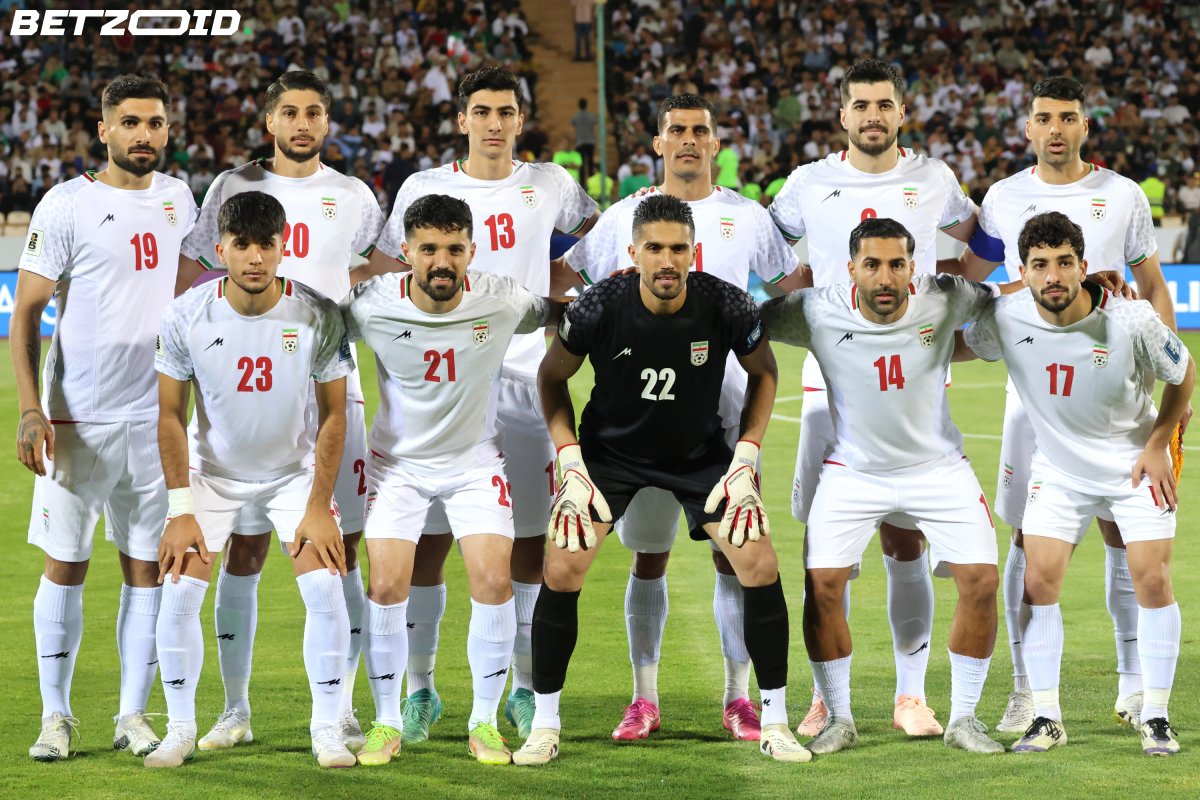
Iran's potential boycott of the 2026 FIFA World Cup has sparked widespread discussion across the football world. However, this wouldn't mark the first instance of a nation choosing to skip soccer's most prestigious tournament.
Throughout World Cup history, political tensions and diplomatic conflicts have driven multiple countries to withdraw from the competition. While some nations pulled out during qualification rounds, others threatened to abandon the finals altogether. Here's a comprehensive look at the most significant boycotts in tournament history.
Historic Early Withdrawals That Reshaped the Tournament
The 1938 World Cup in France witnessed a significant protest when South American giants Uruguay and Argentina declined to participate. Their frustration stemmed from Europe hosting consecutive tournaments. FIFA had initially committed to alternating host continents, but abandoned this pledge after Italy's 1934 tournament.
Uruguay felt particularly betrayed. Having hosted the inaugural 1930 World Cup, they watched as numerous European squads chose not to make the lengthy voyage. Seeing Europe secure hosting rights again was the final straw.
India's withdrawal from the 1950 World Cup often gets attributed to a popular myth about FIFA prohibiting barefoot players. The reality proves far more complex. Financial constraints, scheduling complications, and India's strategic focus on Olympic competition were the actual factors behind their absence.
The 1958 qualifying campaign became complicated when Egypt, Sudan, and Indonesia withdrew rather than compete against Israel due to political considerations. With no opponents remaining, FIFA arranged a special playoff between Israel and Wales. The Welsh squad emerged victorious, securing their maiden World Cup appearance.
Protests That Transformed FIFA's Structure
The 1966 World Cup qualifying process witnessed a unified protest when all 15 African Football Confederation members withdrew from competition. Their grievance? FIFA allocated just one combined qualification spot for Africa, Asia, and Oceania combined. African football administrators deemed this arrangement discriminatory and unacceptable.
This collective action achieved its goal. FIFA overhauled their continental allocation system, guaranteeing dedicated spots for African nations in subsequent tournaments. The boycott became a watershed moment for football's growth throughout the African continent.
One of football's most bizarre moments occurred during 1974 qualifying when the Soviet Union refused to compete at Chile's Estadio Nacional, which Chilean authorities had converted into a detention facility following the country's military takeover. FIFA denied requests to relocate the fixture, resulting in Chile scoring against an empty pitch and advancing via walkover.
Moving to 1994, Yugoslavia faced expulsion from World Cup competition due to United Nations sanctions implemented during the Yugoslav Wars. Unlike voluntary boycotts, FIFA removed them to adhere to international legal requirements.
The 2022 Qatar World Cup experienced diplomatic boycotts from American and British government officials. Political leaders skipped matches citing human rights issues, though their national teams continued competing. This distinction matters – athletes participated while politicians protested from afar.
Iran's current position places them among a select group of nations that have genuinely considered walking away. For those analyzing 2026 World Cup betting markets, Iran's situation deserves close attention. Should they withdraw, qualifying group dynamics would shift dramatically, potentially altering tournament projections.
Whether Iran ultimately follows through remains uncertain. Historical patterns suggest most boycott threats never materialize, but those that do have permanently altered football's landscape.