
German Football Official Pushes for World Cup Boycott Over Trump Presidency
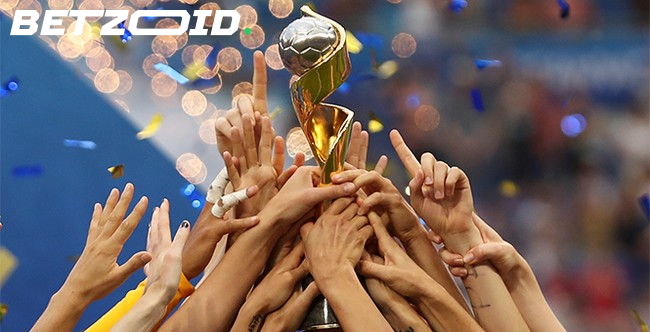
A prominent German football official is calling for his nation to boycott the 2026 FIFA World Cup. However, industry insiders agree this proposal has virtually no chance of becoming reality.
Oke Göttlich, who serves as president of Bundesliga side St. Pauli and vice president of the German Football Association (DFB), told German media that Germany should "seriously consider" withdrawing from this summer's tournament. The World Cup is set to kick off June 11 across host nations United States, Canada, and Mexico, featuring 104 matches in the expanded format.
Göttlich cited his opposition to U.S. President Donald Trump, pointing to controversial statements and policies that he believes cross ethical "taboos" warranting a boycott response.
Why a German Boycott Won't Materialize
Despite the provocative suggestion, Germany will almost certainly participate in the World Cup. The tournament draws over five billion viewers globally for at least one match, with 1.5 billion expected to watch the final alone. It remains the world's most-watched sporting event.
Football holds an extraordinary place in German culture and national identity. Should the national team boycott the World Cup, German politicians would face unprecedented public fury. Such a decision would likely end political careers and spark widespread protests.
For those placing wagers on World Cup futures markets, Germany's participation remains secure. DFB president Bernd Neuendorf has shown no indication of supporting such a boycott, as doing so would effectively be "professional suicide." Germany continues to rank among the tournament favourites.
Göttlich drew parallels to the 1980 Olympics boycott following the Soviet invasion of Afghanistan. However, that situation involved 80,000 Soviet troops engaged in active warfare—a comparison many analysts find weak in the current context.
The Qatar Contradiction
The controversy highlights a troubling inconsistency. The 2022 World Cup took place in Qatar, where investigations by The Guardian documented at least 6,500 migrant worker deaths during stadium construction. Workers endured passport confiscation and required employer permission to leave the country—conditions human rights organizations characterized as modern-day slavery.
Qatar's extreme temperatures forced players to take mandatory cooling breaks during matches. Meanwhile, the same scorching heat claimed workers' lives as they rushed to complete construction on impossible deadlines.
Notably, Göttlich did not advocate for a boycott during that tournament. The broader football community largely remained silent on Qatar's human rights record as well. Yet political rhetoric from an American president has now prompted boycott calls.
St. Pauli has built its identity around progressive politics in Hamburg's storied red-light district. The club's iconic pirate skull emblem originated with local punk rock supporters and squatters in the 1980s. Political activism and football have always been intertwined at St. Pauli.
The takeaway for supporters and bettors: Germany will compete at the 2026 World Cup. The tournament proceeds as scheduled across North America. When the opening whistle blows in June, German fans will be watching their team on the pitch.