
Growing Pressure for African Nations to Boycott 2026 World Cup in the United States
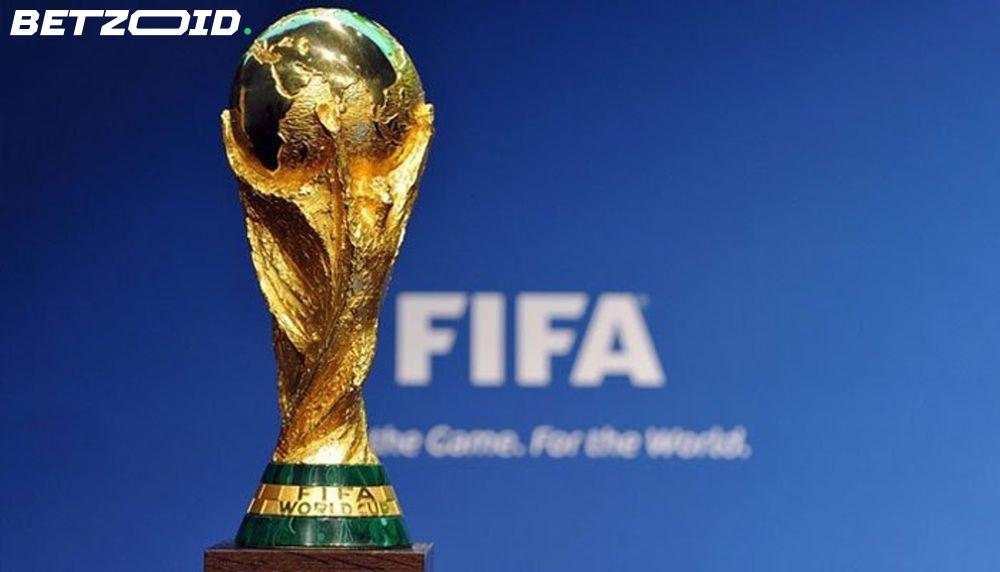
The 2026 FIFA World Cup arrives in North America with its opening match scheduled for June 11, featuring Mexico versus South Africa at Mexico City's legendary Estadio Azteca. The fixture marks exactly 16 years since these nations last met during the 2010 World Cup held in Johannesburg.
However, significant controversy surrounds the upcoming tournament. Mounting pressure calls for African countries to withdraw from the competition due to concerns about hosting the event in the United States under the current Trump administration.
The issues at stake are substantial. Trump's immigration enforcement has sparked international criticism, with reports of ICE operations profiling individuals based on appearance and speech patterns. Recently, the administration halted visa processing for 75 countries, including 26 African nations. Many observers view these actions as deeply problematic signals from a World Cup host nation.
Arguments Supporting a Boycott
Claude Le Roy, the former Cameroon manager who captured the 1988 Africa Cup of Nations title, has emerged as a prominent voice advocating for action. The 77-year-old French tactician, whose coaching career included stints with Ghana and Senegal, speaks bluntly about the situation. "Does Donald Trump deserve to host a football World Cup? I don't think so, and it's time people spoke up," he stated in an interview with French outlet Le Monde.
Le Roy believes African federations should consider withdrawing completely from the tournament as a meaningful protest against discriminatory practices and controversial policies.
The Counterargument
While a boycott might satisfy moral principles, it risks inflicting damage on the wrong parties. African athletes would forfeit their premier international platform. Supporters would miss watching their countries compete on football's grandest stage. African football associations would surrender vital World Cup funding and diminish their political leverage within FIFA's governance structure.
The 2026 edition features an expanded format allocating more qualification spots to African teams than any previous tournament. Abandoning this opportunity means sacrificing historic representation and weakening the Confederation of African Football's influence in global football administration.
The critical question remains: would such action prompt meaningful change? Trump's administration would likely remain unmoved. FIFA would probably issue diplomatic statements without substantive policy shifts. The tournament would proceed as planned, with broadcasters and sports betting platforms simply recalibrating their coverage and markets.
History suggests boycotts frequently harm those making the sacrifice more than their intended targets. African players denied their World Cup aspirations, African supporters losing global visibility, and African football forfeiting revenue and institutional power—these represent the tangible consequences.
The frustration driving boycott calls is entirely legitimate. Yet if the protest ultimately reinforces existing disparities and penalizes African football while the tournament continues virtually unaffected, decision-makers must seriously question whether such action serves its intended purpose. This difficult calculation now rests with African football leadership.