
Boston Charges Fans $95 Per Seat for Bus Service to 2026 World Cup Matches
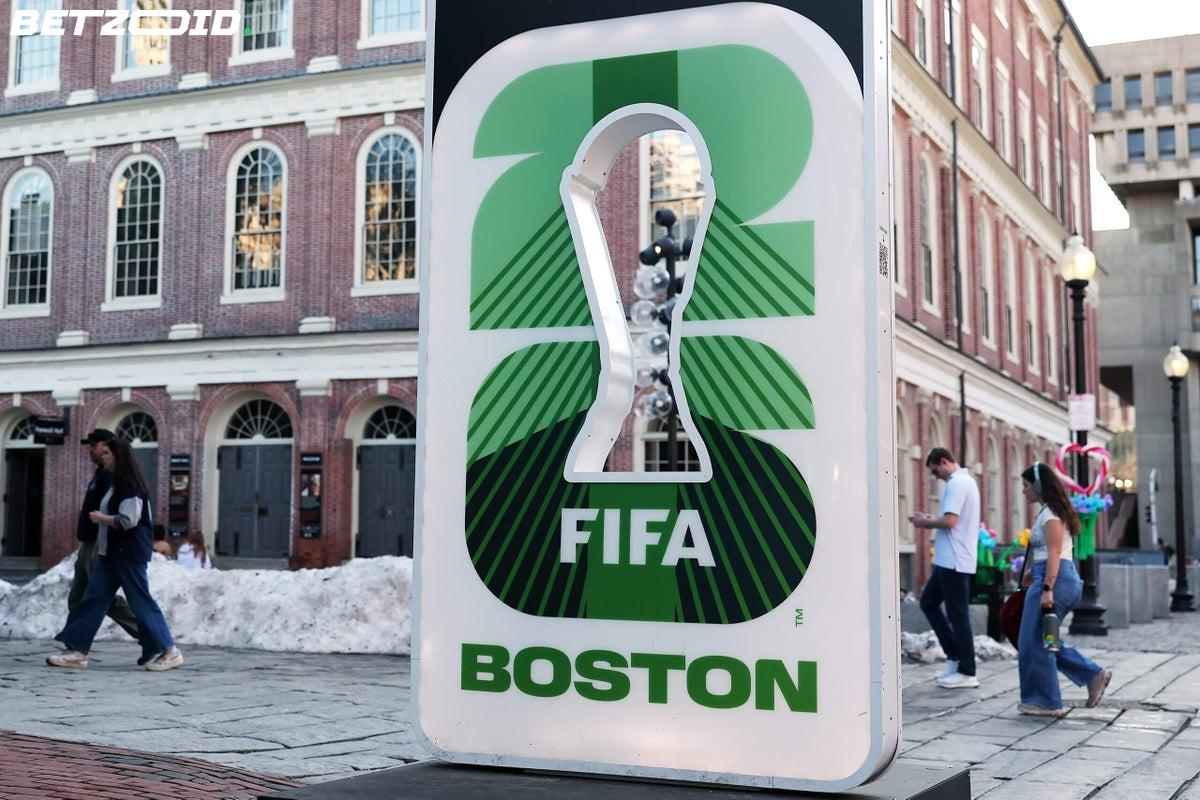
Football Supporters Europe executive director Ronan Evain has labelled the $80 train fares for World Cup match days as "completely unprecedented," suggesting the tournament's primary goal seems to be "extracting as much money as possible from a captive audience." Boston has now added fuel to the fire by announcing bus service priced at $95 per seat.
The Boston Stadium Express, operated in partnership with Massachusetts-based Yankee Line motorcoach company, will transport supporters from more than 20 pickup locations throughout Greater Boston to Gillette Stadium in Foxboro. Service points include Boston Logan International Airport and the Rhode Island Convention Center in Providence, with over 100 regional hotel properties also included on the route. Buses will begin running three hours before kick-off, with return trips departing approximately 30 minutes after the final whistle.
The flat rate applies universally — no reduced fares for children, seniors over 60, or passengers requiring accessibility accommodations.
A Captive Audience by Intentional Design
This pricing strategy isn't merely aggressive — it's systematically engineered. Gillette Stadium will offer no complimentary or general parking during World Cup fixtures. FIFA's stadium perimeter regulations prohibit tailgating completely. Supporters face limited options: pay the $95 bus fare, purchase the $80 round-trip train ticket (four times the typical $20 NFL game-day rate), or pay $175 for official parking during group stage matches — escalating to $270 for quarter-final fixtures. Oversized vehicles face a staggering $980 charge for the same match.
The host committee defends the pricing as reflective of genuine operational expenses, noting that bus services to Taylor Swift's Eras Tour at Gillette Stadium already cost approximately $75. The World Cup, they maintain, demands enhanced coordination and additional pickup locations — justifying the extra $20. While this explanation carries some merit, it doesn't make the cost any more palatable for supporters.
The situation becomes particularly frustrating when compared with recent major tournaments. At the 2022 World Cup in Qatar, official ticket holders enjoyed complimentary metro access throughout Doha for the entire tournament. During Euro 2024 in Germany, match tickets functioned as public transport passes on game days. Neither model was ever feasible in the United States, but their existence makes a $95 coach ride feel like an entirely different proposition.
FIFA Profits While Host Cities Bear the Financial Burden
The fundamental problem extends beyond Boston's organizing committee. FIFA president Gianni Infantino has forecast $11 billion in tournament revenue — generated through ticket sales, broadcasting rights, in-stadium sponsorship agreements, and official parking fees, all channelled directly to FIFA. Host cities, conversely, shoulder expenses including public safety measures, security operations, police escorts for teams and match officials (including Infantino's own entourage), medical services, fire protection, and fan festival operations — all provided to FIFA at no cost.
FIFA points to a projected $30 billion economic impact across U.S. host cities as compensation. However, multiple city officials, speaking anonymously to preserve working relationships, have already expressed doubt that these figures will materialize.
Gillette Stadium — owned by billionaire Robert Kraft's Kraft Group — will stage seven matches, including a round-of-32 fixture and a quarter-final. Group stage matches feature Scotland versus Haiti, Scotland versus Morocco, England versus Ghana, and Norway versus France. With 65,000 spectators expected inside the stadium, transporting them has become a lucrative enterprise in itself.
Evain's concluding observation bears repeating: "Charging fans for making the safe and environmentally responsible choice of using public transport also makes a mockery of FIFA's climate strategy and its net-zero commitments." It's difficult to dispute this assessment when a single bus seat approaches $100.