
Fanatics Topps to Replace Panini as FIFA World Cup Card Licensee Starting 2031
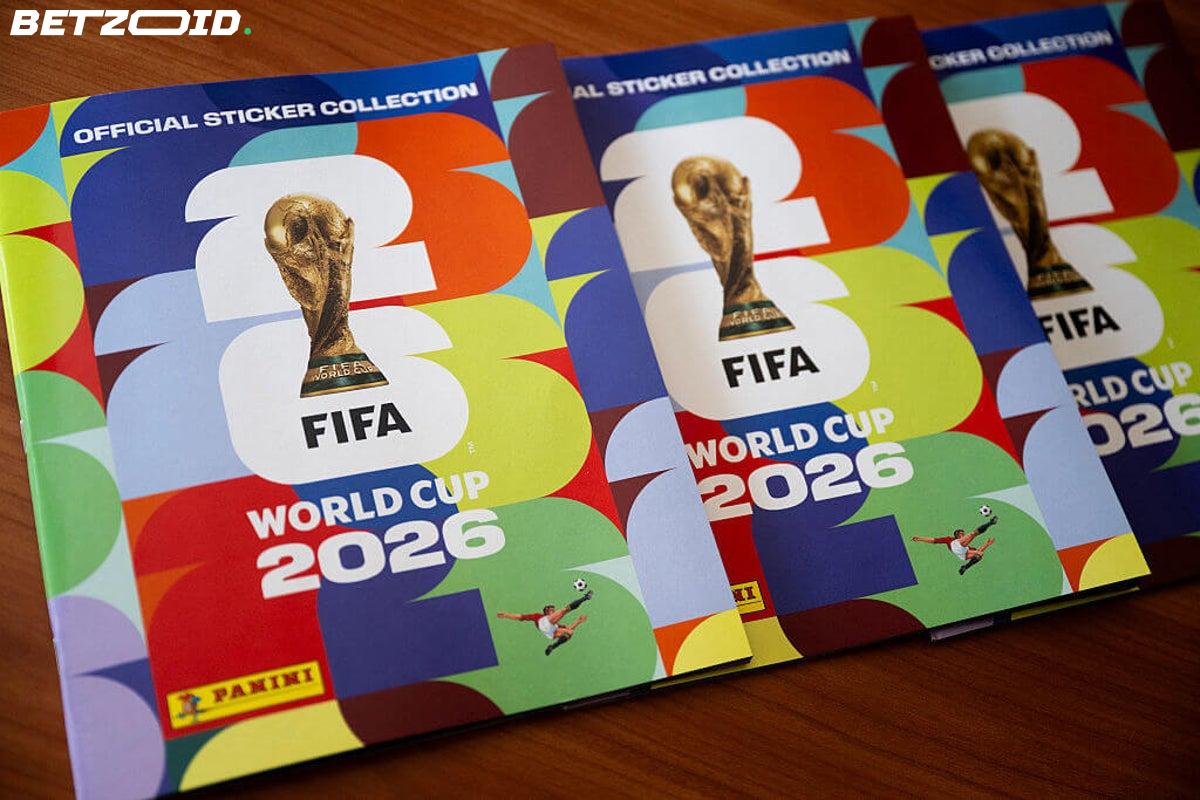
"Global football should be our biggest business," declared Fanatics CEO Michael Rubin. Now he's got the licensing agreement to prove it. FIFA and Fanatics have struck a long-term exclusive deal that grants Topps — a Fanatics subsidiary — the rights to produce all World Cup trading cards, stickers, and trading card games beginning in 2031.
The agreement marks the end of one of sports collectibles' most enduring partnerships. Panini has held the FIFA sticker license since 1970, covering every World Cup tournament except 1994. Almost six decades of those iconic foil packets, the frantic sticker trades in schoolyards, the elusive shiny cards — all transitioning to new ownership once the 2030 tournament concludes.
Fanatics' Vision for World Cup Collectibles
This represents far more than simply replacing one company logo with another on sticker packages. Topps intends to launch Debut Patch cards for World Cup collections — a concept that's already succeeded in the NFL, NBA, and Major League Baseball. The format works exactly as it sounds: players wear specially manufactured patches on their jerseys during their debut World Cup match, those patches are then removed, authenticated, and embedded into signed trading cards. FIFA president Gianni Infantino has confirmed that match-worn patch programs will launch as soon as the 2026 World Cup, well ahead of the official licensing transition date.
Rubin positions the FIFA agreement as the cornerstone of Fanatics' international growth strategy. Currently, approximately 85 percent of their collectibles revenue originates within the United States. The World Cup represents the vehicle for changing that equation.
Under the contract terms, Fanatics will distribute over $150 million worth of collectibles to young people worldwide throughout the partnership's duration — a significant component that adds community impact beyond the commercial aspects.
Challenging Times for Panini
The loss of FIFA licensing in 2031 arrives during a particularly difficult period for Panini. The company had been pursuing a potential sale, with internal pitch materials revealing nearly $720 million in net sales from 2022 World Cup merchandise alone — setting a single-event company record. Panini forecasts $1.48 billion in World Cup-related net sales for 2026 and $1.5 billion for 2030. These projections explain precisely why the company withdrew from sale negotiations late last year: the 2026 tournament was expected to boost the company's market value before any transaction materialized.
Shareholders have subsequently retained Citigroup to assess strategic alternatives, with an official statement excluding sales to competitors while leaving open possibilities including maintaining existing ownership, pursuing a public offering, or partnering with a strategic investor. Simultaneously, Panini remains engaged in ongoing litigation alleging anticompetitive conduct by Fanatics following the loss of NBA and NFL licenses. Fanatics has responded with its own countersuit.
- Fanatics anticipates generating more than $4 billion in collectibles revenue during 2026
- Panini forecasts company-wide net sales of roughly $2.47 billion in 2026
- Topps has already locked in future licensing rights for England, Brazil, Germany, Italy, Argentina, and the United States national teams
- Fanatics Fest 2025 has been rescheduled to align with the World Cup final on July 19 at MetLife Stadium
- Fanatics was designated exclusive retail operator for all 2026 World Cup stadium and fan festival venues in December
For the collectibles industry, this transition carries implications far beyond nostalgia. Panini's World Cup revenue forecasts illustrate the financial magnitude — and Fanatics, leveraging its patch programs and digital platform capabilities, is wagering it can expand those numbers by applying strategies proven successful in North American sports leagues to a truly international market. Whether Topps sticker albums will ever capture the same feeling as Panini sticker albums remains an open question. Some traditions don't survive corporate transitions.