
Barcelona Pulls Out of Super League: The End of a Controversial Chapter
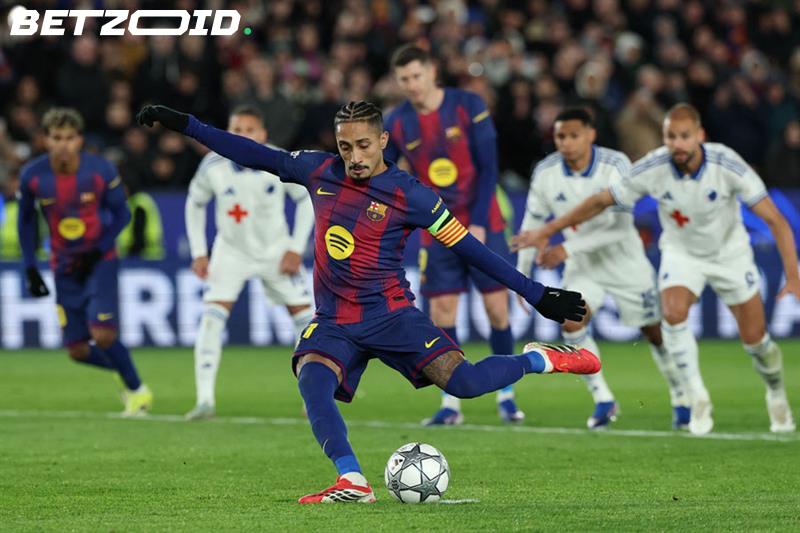
The European Super League dream has taken what might be its final blow. Barcelona officially confirmed their departure from the controversial breakaway tournament on Saturday, effectively ending their involvement in a project that sparked worldwide outrage in 2021.
"FC Barcelona hereby announces that today it has formally notified the European Super League Company and the clubs involved of its withdrawal from the European Super League project," the Spanish club declared in a brief statement.
The announcement leaves Real Madrid standing virtually alone in their support for the venture. The Super League, which underwent a rebrand to become the Unify League in 2024, has now lost nearly all credibility among Europe's footballing elite.
The Super League's Turbulent History
The saga began in 2021 when twelve European powerhouses sent shockwaves through the football community by unveiling plans for an exclusive 20-club competition. The founding members included Real Madrid, Barcelona, Atletico Madrid, Manchester United, Manchester City, Liverpool, Arsenal, Chelsea, Tottenham, Juventus, AC Milan, and Inter Milan.
The proposed format featured 15 permanent members immune to relegation—essentially a closed shop designed to replace UEFA's Champions League. The reaction from supporters was swift and fierce.
Fan protests erupted across the continent. Within 48 hours, most clubs scrambled to distance themselves from the project. Madrid and Barcelona remained defiant supporters, while Juventus held out until finally abandoning ship in 2023.
Implications for European Football
This development carries significant weight for both football enthusiasts and those invested in the sport's betting markets. The Champions League's position as Europe's premier club competition is now secure, with no competing entity threatening its dominance.
Barcelona's decision represents a strategic pivot for the club. By aligning with UEFA's established framework, they're prioritizing long-term stability and fan goodwill over the uncertain promise of a breakaway league.
Real Madrid's isolated stance becomes increasingly untenable. A22 Sports Management, the Madrid-headquartered organization championing the Super League, unveiled modified proposals following a 2023 European Union court decision that criticized UEFA and FIFA for anti-competitive practices in blocking the project. However, without Barcelona's participation, these plans appear increasingly unrealistic.
The fundamental issue remains unchanged: the Super League required multiple marquee clubs to succeed. With Barcelona now gone, Real Madrid's continued advocacy looks more like stubborn pride than sound business strategy. For those analyzing Champions League betting markets or tracking European football's trajectory, the traditional UEFA competitions appear firmly entrenched for the foreseeable future.