
Gillette Stadium Reverses Course, Allows Tailgating for 2026 World Cup Matches
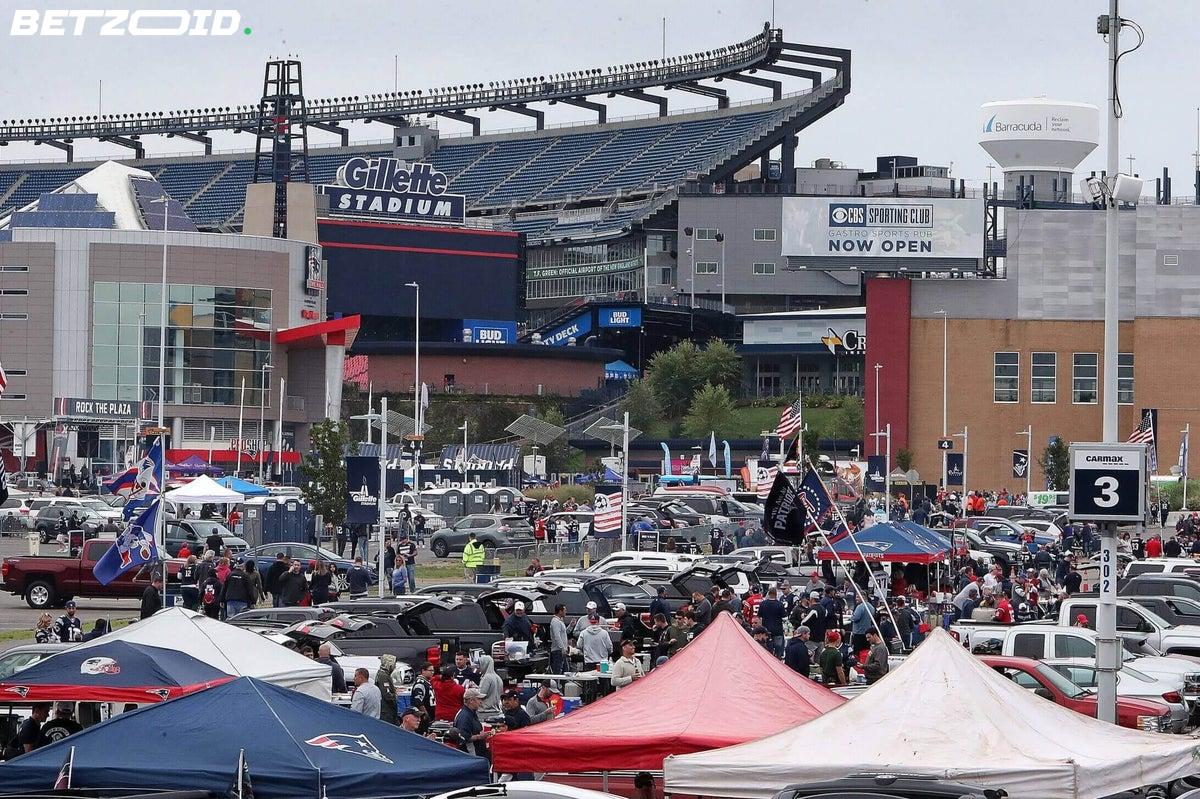
The Boston 2026 World Cup organizing committee has reversed one of its most controversial decisions, announcing that tailgating will be allowed at Gillette Stadium during the tournament — after initially informing supporters it was prohibited under FIFA regulations.
The initial statement on the committee's website pointed to a tournament-wide FIFA policy as justification for the restriction. The announcement sparked immediate outrage, especially considering tailgating is a sacred tradition in Gillette's car parks before New England Patriots matches at the same facility. Prohibiting it for the World Cup while maintaining it for NFL games appeared as contradictory as it sounds.
The policy reversal explained
According to a Boston committee representative, organizers "requested clarification" from FIFA following the public outcry and learned there were no "venue limitations or local safety regulations" that would actually prevent tailgating. FIFA officials, speaking on condition of anonymity, suggested the governing body had always planned to collaborate with local officials on a stadium-by-stadium approach — making the blanket prohibition language on Boston's site appear to be a misunderstanding rather than official policy.
"Based on previous information that FIFA provided to Boston Soccer 2026, both our team and the host venue believed that 'no tailgating' was a tournament-wide FIFA regulation," the representative stated. The reference to "FIFA policy" has subsequently been removed from their website without fanfare.
The comparison with Seattle is instructive. Tailgating won't be permitted at Lumen Field — but that venue is located in the urban core, and the identical restriction exists during NFL season. It's a logistical necessity, not a philosophical stance. Gillette is a suburban facility surrounded by expansive parking areas. There was never a credible safety rationale for banning the practice.
Impact on matchday atmosphere
For a tournament attempting to appeal to a North American audience already familiar with the global game but deeply connected to American matchday traditions, this decision carries significance. Tailgating represents more than pre-game refreshments — it's the entire social framework surrounding live sport attendance for countless supporters across the continent. Mishandling this issue would have created unnecessary public relations difficulties FIFA and local organizers could ill afford.
The committee indicates further supporter information will be released as the tournament approaches. Following this uncertain beginning, the more transparent that communication proves to be, the better for everyone involved.