
FIFA Congress 2026: Russia Ban, Racism Crisis & Prize Money Boost Under Scrutiny
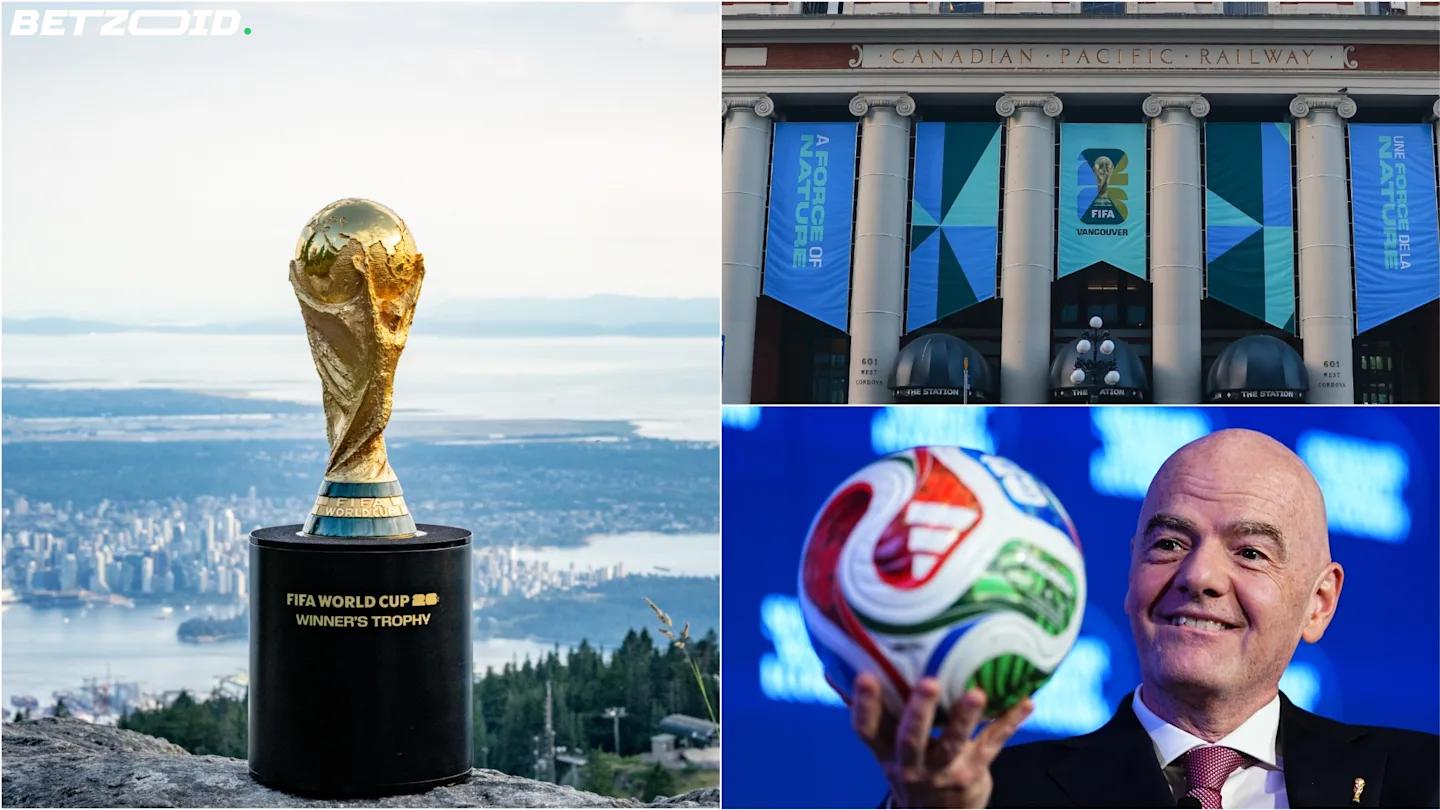
Just fifty days before the World Cup kicks off, FIFA's 211 member associations are convening in Vancouver for what promises to be far more than a routine gathering. The future of Russia's participation, ongoing racism in football, prize money distribution, and a controversial new award dominate the agenda. These aren't just talking points — they're overdue conversations that could reshape the sport.
Anti-Racism Campaign Faces Reality Check After Two Years
FIFA rolled out its "Global Stand Against Racism" initiative in 2024, establishing five core pillars: enhanced sanctions, a three-step match protocol, educational programs, a players' advisory panel, and advocacy for racism to be criminalized worldwide. The three-step procedure has seen regular use — particularly in Concacaf competitions, where matches involving Mexico have frequently activated it due to homophobic chanting from supporters.
Now two years into the campaign, the Congress review is anticipated to call for more severe penalties, especially considering persistent incidents targeting players such as Vinícius Junior. Real Madrid goalkeeper Thibaut Courtois didn't mince words in February: "We have to end this now. It has happened many times in football; not just on the pitch but in the stands." When players themselves are demanding action in such direct terms, FIFA faces mounting pressure to move beyond symbolic measures.
The real question is whether Congress will approve concrete actions — such as match forfeits and stricter federation sanctions — or simply issue another statement of intent.
Russia's Suspension: Seven Words Hiding Massive Implications
The official Congress agenda mentions it in just seven words: "Suspension or expulsion of a Member Association." Yet everyone understands the significance. Russia has been excluded from FIFA and IOC competitions since its 2022 invasion of Ukraine, though FIFA president Gianni Infantino stated in February that the ban "has not achieved anything, it has just created more frustration and hatred." The comment sparked immediate controversy.
The reality is more nuanced than a straightforward prohibition. Russia's football federation maintains its full UEFA and FIFA membership status — only the national teams are barred from official competition. Russian men's teams have continued organizing unsanctioned friendlies against nations including Mali, Peru, Bolivia, and Iran. FIFA also announced an Under-15 tournament "open to all member associations," which many interpret as a subtle indication that youth-level reintegration is already under consideration.
The International Paralympic Committee has already permitted Russia to compete under its own flag at Milan Cortina 2026. World Aquatics has taken similar steps. While FIFA won't be first to reverse course, Infantino appears prepared to shift position. The trajectory is becoming increasingly apparent, and any relaxation of Russia's status could significantly alter qualifying dynamics for upcoming tournaments.
Prize Money Increase and Norway's Challenge to Controversial Peace Prize
On the financial front, members will vote on a further boost to the 2026 World Cup prize pool, already established at $727 million — 50% above the Qatar 2022 total. With tournament revenues projected to reach $11 billion, Infantino has suggested additional funds could be distributed to participating nations and all 211 associations for development initiatives. For smaller federations, this represents a significant opportunity. Enhanced development funding directly impacts grassroots programs and coaching infrastructure.
Meanwhile, Norway's Lise Klaveness is advocating to eliminate FIFA's recently introduced Peace Prize before it awards a second recipient. The honour, launched in 2025 without any public nomination mechanism, was presented to Donald Trump at the World Cup draw in Washington. Klaveness — who also serves on UEFA's executive committee — has argued that FIFA should maintain "an arm's length distance" from political figures. While she won't be speaking publicly this week, other federations may champion the cause.
FIFA established the Peace Prize in the months following Trump's unsuccessful campaign for the Nobel Peace Prize. The timing makes the political optics difficult to dismiss.