
Liverpool Returns to Profitability Despite Carrying Premier League's Highest Wage Bill
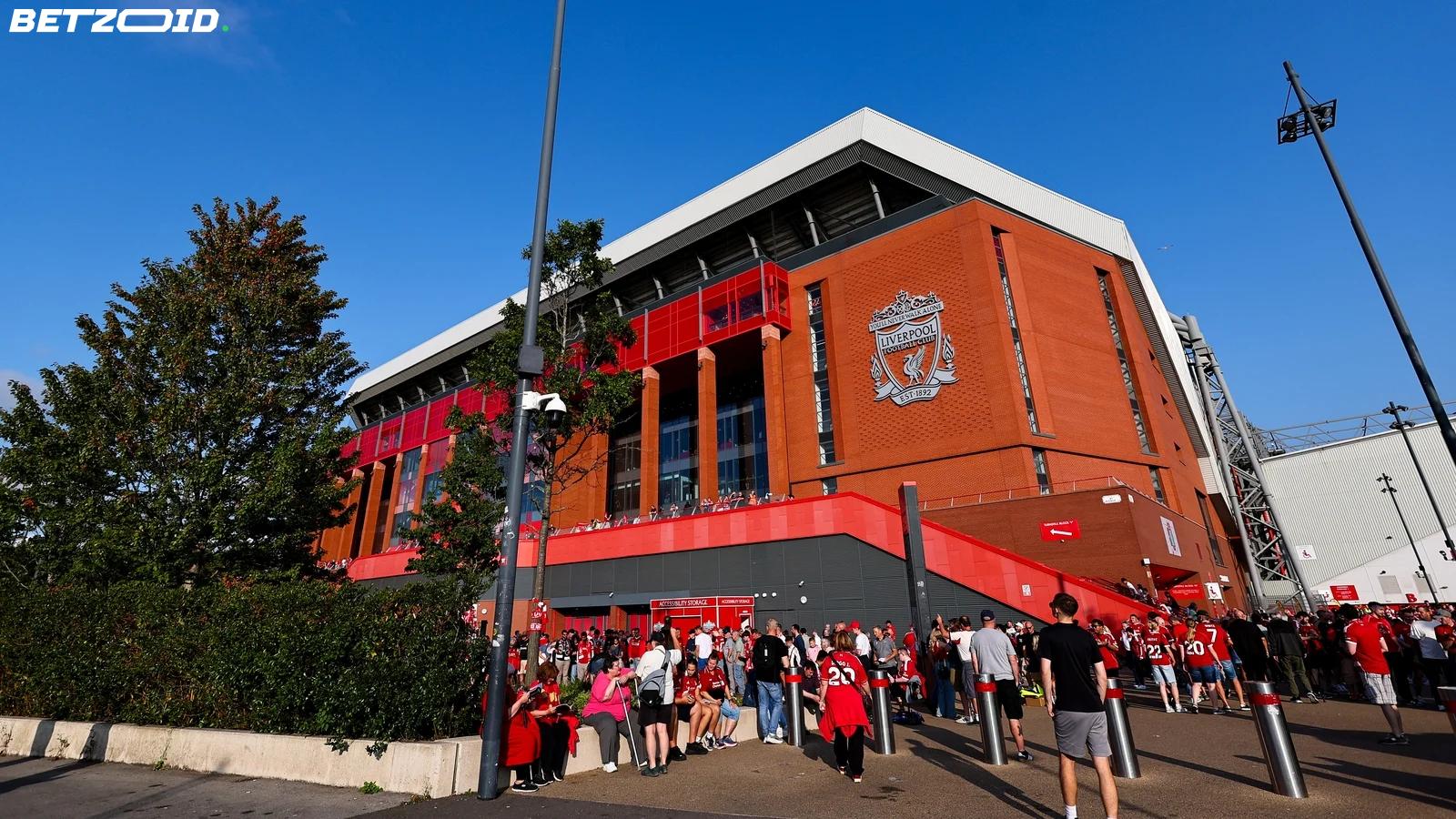
Liverpool FC is back in positive financial territory, announcing a £15.2 million profit following their Premier League championship campaign. However, the Merseyside club now shoulders the heaviest wage burden in England's top division.
The Reds have leapfrogged Manchester City in total compensation costs. Liverpool's staff expenses surged by an impressive £42 million to hit £428 million, while City's wage bill for the corresponding period sat at £408 million.
What's behind this substantial increase? Championship bonuses for their title triumph accounted for a significant portion. Contract extensions for key players Mohamed Salah and Virgil van Dijk also contributed heavily. Factor in additional personnel and regular matchday expenditures, and the financial jump becomes clear.
Looking at the bigger picture, Liverpool's wage bill has more than doubled since the 2016-17 campaign – a remarkable escalation over such a short timeframe.
Broadcasting Revenue Drives Financial Recovery
The primary catalyst for Liverpool's improved financial position came from media rights revenue. The club secured an additional £60 million year-over-year. Advancing to the Champions League Round of 16 rather than settling for a Europa League quarter-final appearance significantly bolstered their earnings.
Matchday income also saw healthy growth, climbing £14 million to reach £116 million. Commercial revenue increased by £15 million to £323 million. After recording losses of £9 million in 2022-23 and £57 million in 2023-24, this return to profitability represents an important milestone for the club's financial stability.
For those analyzing Liverpool's future investment capacity, these numbers indicate the club can compete financially with football's elite. Their revenue generation capabilities combined with cost management will prove essential for squad development.
Major Transfer Spending Not Yet Reflected
There's a crucial detail worth noting. These financial results cover the period through May 31st. Consequently, Liverpool's enormous £450 million summer transfer activity hasn't been factored in yet. The acquisitions of British record signing Alexander Isak, Florian Wirtz, and Hugo Ekitike will appear in the next financial statement.
Chief financial officer Jenny Beacham emphasized the organization's dedication to financial responsibility while recognizing upcoming obstacles. Utility expenses have skyrocketed 107% over four years. Business rates have exploded by an eye-watering 286%.
Liverpool must walk a financial tightrope moving forward. The club needs to match spending by football's biggest investors while adhering to the sport's financial regulations. Their current revenue trajectory provides operational flexibility, though that wage bill requires careful oversight.
The club's financial strength suggests they'll maintain their presence as major players in the transfer market. For those evaluating Liverpool's prospects in elite competitions, their financial firepower paired with strategic player recruitment positions them as genuine challengers on multiple fronts.