
Massive Petition Urges Australia to Offer Asylum to Iranian Women's Football Team
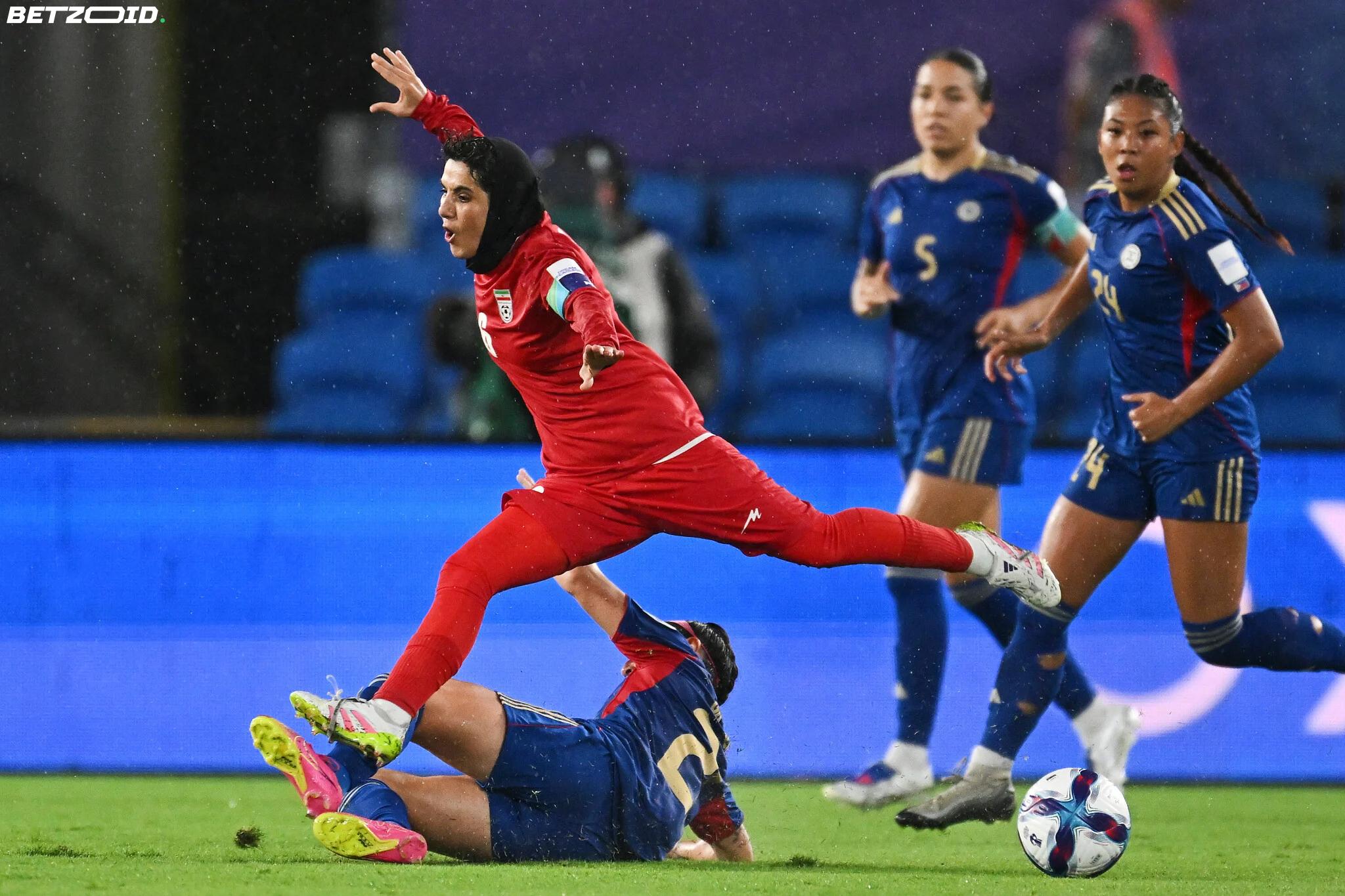
An unprecedented humanitarian situation is unfolding in Australia following the conclusion of the Women's Asian Cup. After Iran's women's football team was eliminated from the tournament, a groundswell of public support has emerged, with more than 50,000 Australians signing a petition calling on their government to provide refuge for the squad.
The Iranian women's national team arrived Down Under last month to compete in the continental championship. However, the geopolitical landscape shifted dramatically when hostilities erupted after US-Israeli military operations against Iran on February 28, raising alarm bells about the players' safety should they return home.
While teams that don't advance past the group stage typically depart within a matter of days, tournament organizers have remained conspicuously silent regarding the Iranian delegation's departure date—a telling omission that hasn't gone unnoticed.
National Anthem Sparks Speculation
The controversy began during Iran's tournament opener against South Korea last Monday. The players remained silent throughout their national anthem, a gesture that sparked widespread interpretation. Was it an act of political defiance? A moment of collective mourning? The team has declined to clarify their intentions.
However, the players' approach shifted in subsequent matches. Prior to their 4-0 defeat against Australia and today's 2-0 loss to the Philippines, the team sang along to the anthem and offered salutes. This behavioral change has fueled considerable discussion among observers.
The Australian Iranian Council has taken proactive measures, submitting a formal letter to Home Affairs Minister Tony Burke requesting protective measures for the squad during their time in Australia. Their petition specifically calls for independent legal counsel, comprehensive support services, and translation assistance for the athletes.
Conflicting Signals Emerge
Following today's match, demonstrators chanting "let them go" briefly prevented Iran's team bus from departing the venue. Yet Iran's head coach Marziyeh Jafari conveyed a contrasting message to journalists. "We want to come back to Iran as soon as we can," she stated.
"I want to be with my country and home. We are eager to come back," Jafari elaborated, adding complexity to an already delicate situation.
Australian Foreign Minister Penny Wong commended the symbolic gesture when Australia's women's team exchanged jerseys with their Iranian counterparts following their encounter. "We know this regime has brutally oppressed many Iranian women," Wong told the Australian Broadcasting Corp.
For those tracking international women's football or analyzing future betting markets, this development could have significant ramifications for Iran's women's programme. The uncertainty surrounding the team's circumstances casts doubt on their involvement in forthcoming competitions. This remains an evolving story that transcends the boundaries of sport.