
Infantino's Vancouver Motorcade Controversy Reveals FIFA's Disconnect with 2026 World Cup Hosts
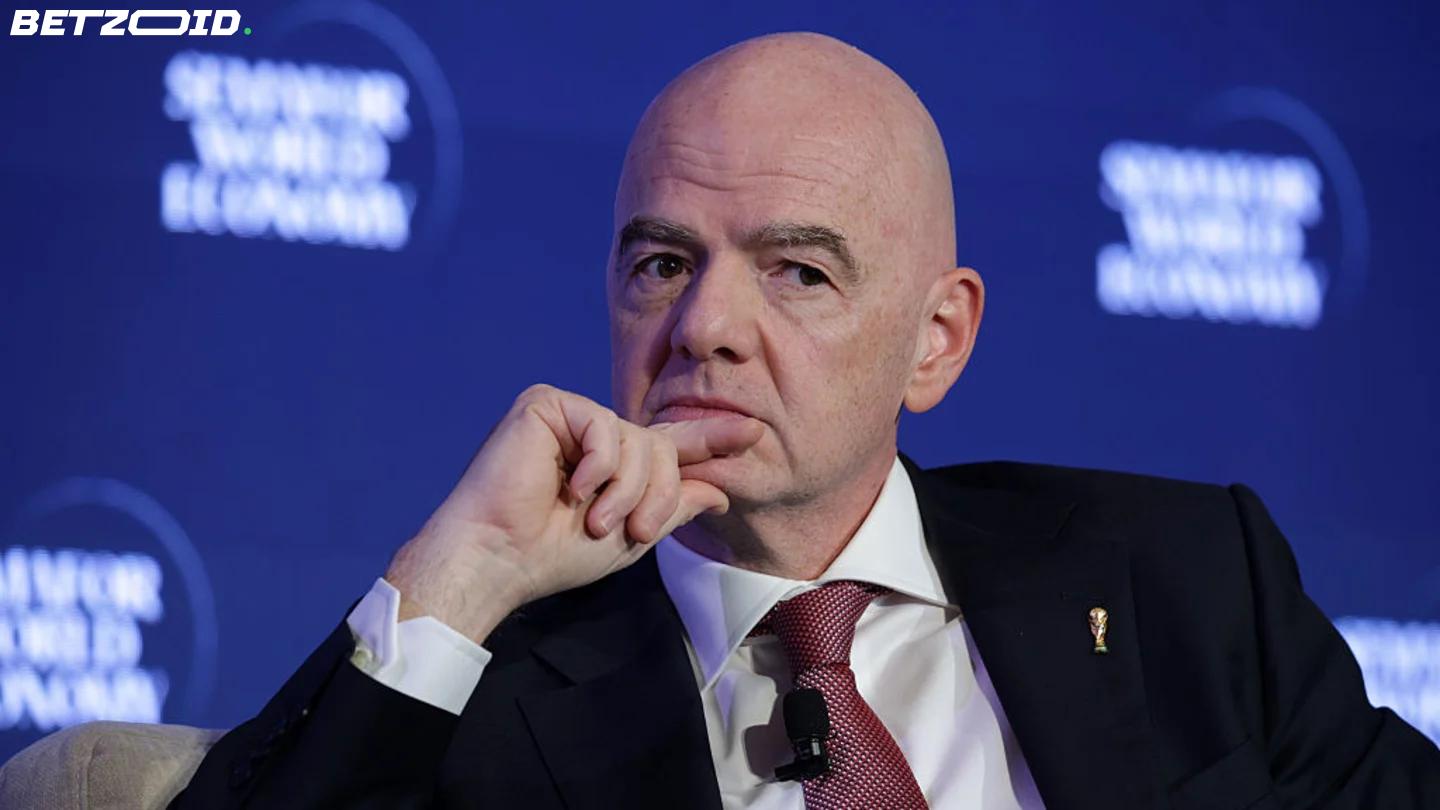
FIFA sought a "level four" motorcade escort for Gianni Infantino during his Vancouver visit this week — a security tier just below what the Pope receives, and significantly above what Canadian Prime Minister Mark Carney gets. Vancouver police rejected the request. The damage to FIFA's reputation, though, has already been inflicted.
The request, initially revealed by The Times, would have given Infantino a high-speed convoy with authority to block traffic and bypass red lights — treatment normally reserved for the U.S. President. Infantino's office has since distanced the FIFA president from the request, with a spokesperson stating Tuesday that "the FIFA President was not aware of, or involved in, any requests with authorities in relation to his transportation and security matters."
Perhaps that's true. But somebody within FIFA believed this was appropriate. That's precisely the issue.
FIFA's perception versus actual reality
Infantino is visiting Vancouver for the 76th FIFA Congress, engaging with delegates from all 211 member associations to address 2026 World Cup planning, Russia's potential reinstatement to sanctioned play, and football's strategic direction. These discussions carry genuine weight. None justify a motorcade befitting a religious leader.
Football's presence in Canada, though expanding, remains far behind hockey — and trails even its status in the United States, where it battles for viewership against the NFL, MLB, and NBA. Infantino isn't a recognizable figure in Vancouver. He's not a household name across most of North America. Requesting security measures exceeding those for Canada's head of government doesn't demonstrate significance. It reveals complete detachment from the nations FIFA expects to host its premier competition.
This disconnect extends beyond mere symbolism.
Supporters already bearing FIFA's cost burden
World Cup final tickets at MetLife Stadium are selling for over $10,000 per seat. Standard seats for marquee group stage fixtures cost thousands. The tournament has excluded the overwhelming majority of actual football supporters.
Transportation challenges are worsening the situation. Train fares from Penn Station to MetLife Stadium in East Rutherford are projected to jump from the regular $12.90 to approximately $150 per journey — because FIFA has allocated nothing toward transit improvements. New Jersey Governor Mikie Sherrill addressed it bluntly: "We inherited an agreement where FIFA is providing $0 for transportation to the World Cup. And while NJ TRANSIT is stuck with a $48 million bill to safely get fans to and from games, FIFA is making $11 billion."
Eleven billion dollars in anticipated revenue. Zero dollars for trains transporting supporters to venues. Yet the organization finds room to explore near-head-of-state motorcades for its president.
Bettors examining outright or group stage betting markets for the 2026 World Cup should consider the complete context: this tournament is being orchestrated by an organization seemingly more concerned with its own status than the supporter experience it's marketing. Accessibility challenges, excessive pricing, and governance perception this poor typically create controversy that shadows a tournament throughout its duration.
"FIFA should pay for the rides," Sherrill stated. "But if they don't — I'm not going to let New Jersey get taken for one."
At least one person involved understands the situation clearly.