
Mexico Shortens School Year for 2026 FIFA World Cup as President Prioritizes Football Over Education
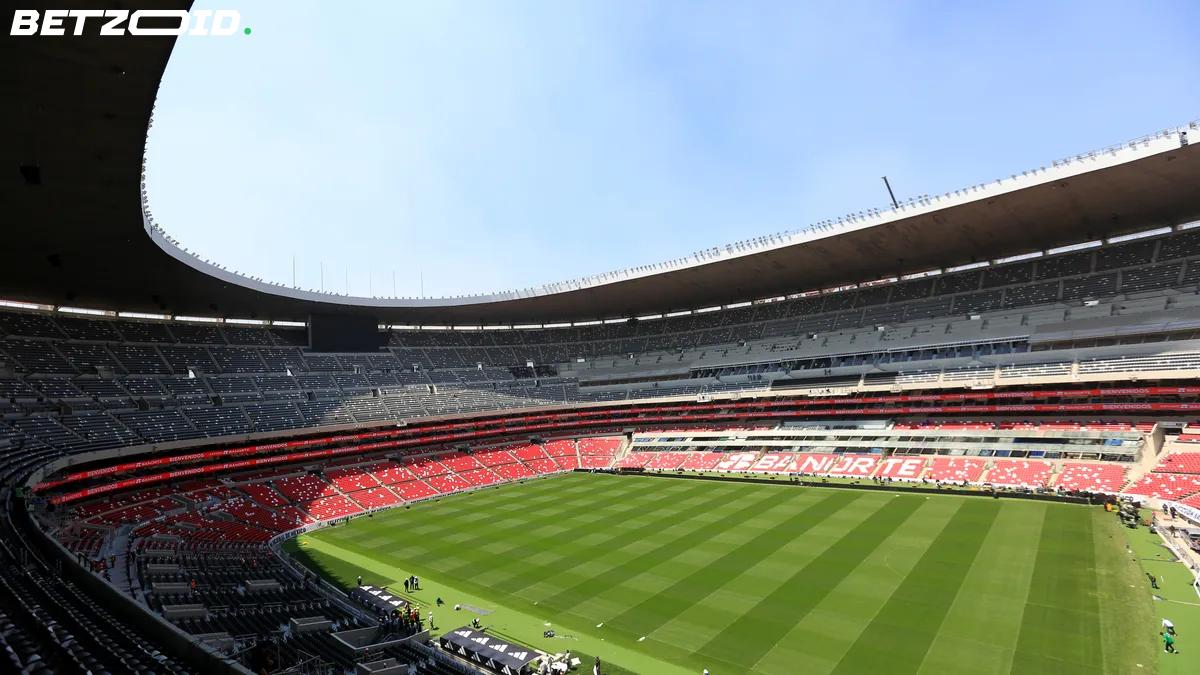
Mexican President Claudia Sheinbaum didn't mince words when addressing the controversial decision during a Friday press conference: the plan was crafted "principally for the World Cup." There was no diplomatic spin, no government jargon—just a straightforward admission that football would take precedence.
The country's Secretary of Public Education revealed on May 7 that the 2026 academic year would conclude on June 5 for all schools, both public and private—more than a month earlier than originally scheduled. While the official government notice, Bulletin 161, listed two justifications—extreme heat and the FIFA World Cup—Sheinbaum's comments made it clear which reason mattered most.
"Many Mexicans love soccer, and we're all anticipating the World Cup," the president stated. It's a sentiment that's difficult to dispute in a football-passionate nation.
Backlash from parents and opposition leaders
The announcement triggered immediate controversy, hitting the public like a disputed referee call. Parents and education advocates expressed shock at the abrupt change. Jalisco state—led by an opposition Citizens' Movement governor rather than the ruling Morena party—rejected the directive outright, stating they never requested the calendar modification and would maintain classes until June 30, pausing only on days when matches take place in their region. Estadio Akron, home stadium of Chivas, will host four World Cup fixtures.
Their official response was blunt: "We recognize the detrimental effect the adjustments suggested by the SEP could have on the education of girls, boys and adolescents."
Skeptics have raised a valid concern—only the tournament's opening match actually conflicts with regular school hours. Mexico's remaining group-stage games kick off at times that wouldn't interrupt a typical school day. It's a legitimate criticism, though it hasn't derailed the government's decision.
El Tri's tournament fixtures
The national excitement is partly justified by Mexico's hosting role. El Tri launches their campaign against South Africa on June 11, then travels to face Korea on June 18 in Jalisco, before wrapping up group play against the Czech Republic on June 24 in Mexico City. Having Mexico compete on home territory—or virtually home—carries enormous cultural significance that extends far beyond academic calendars.
Mexico City's mayor has already encouraged employers to implement remote work policies throughout the tournament. The education decision, controversial as it may be, represents part of a larger national shift: the entire country is restructuring around six weeks of international football. Whether those lost classroom days will eventually be compensated remains uncertain, according to Sheinbaum, with final details yet to be determined.