
2026 World Cup: One Month Away – Canada's Opportunity, Predictions & Growing Concerns
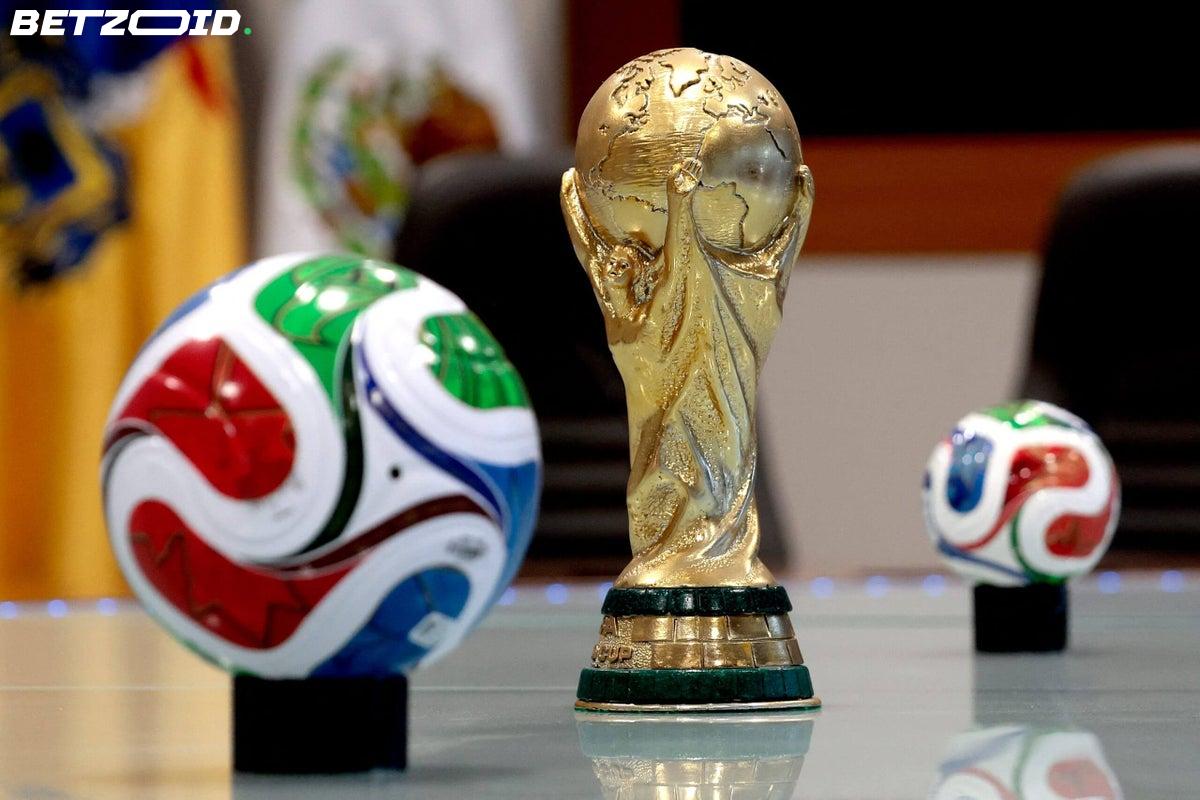
With just 30 days until kickoff, you'd expect New York City to be buzzing ahead of hosting the World Cup final. Instead, Manhattan remains surprisingly quiet—no flags draped from windows, no team colours flooding the streets, barely a hint that football's premier event is around the corner. A single countdown clock tucked inside a shopping centre near Columbus Circle is all that marks the occasion.
This disconnect between the tournament's potential and its current lack of visible excitement captures the underlying tension surrounding the 2026 World Cup. The quality of football is guaranteed. Whether the atmosphere will match it remains genuinely uncertain.
Pricing Out the Passionate Supporters
The lifeblood of any World Cup—the devoted supporters who travel thousands of kilometres, wear face paint, and belt out anthems in train stations past midnight—are being squeezed out financially. Between ticket prices, accommodation costs, and transportation expenses, attending matches has become prohibitively expensive for average fans. This tournament increasingly feels tailored for corporate hospitality clients rather than genuine football enthusiasts.
This isn't a trivial issue. These supporters create the tournament's soul. Without them, stadiums risk sitting partially empty, delivering a sanitized spectacle that no amount of broadcast production can energize.
Additional worries are mounting. Political uncertainties surrounding how international visitors will be received in the United States. Infrastructure challenges—Toronto's public transit network is already under scrutiny. The threat of severe weather disruptions, similar to what occurred during the Club World Cup. This edition carries more question marks than most tournaments.
Picking the Winner
France top most expert predictions—with solid justification. They defeated Brazil 2-1 and Colombia 3-1 this past March, the latter victory coming with a largely rotated squad. Their depth presents nightmares for opponents: players left on the bench would start for most nations. Their forward line is extraordinary, midfield options plentiful, and Kylian Mbappé only needs to show up for the knockout stages to transform matches.
Spain offer a compelling alternative. Fresh off their Euro 2024 triumph, they've assembled a roster mixing seasoned veterans with electrifying young stars. Lamine Yamal enters this tournament as one of football's most thrilling talents. If Spain maintain the collective brilliance they displayed in Germany, they'll be the team everyone hopes to avoid come the July 19 final at MetLife Stadium.
Germany are quietly assembling their own argument—seven consecutive victories, Jamal Musiala performing at an elite level, and a generation of young players yet to experience tournament heartbreak. That inexperience could prove either advantageous or problematic.
- Group H appears most straightforward: Spain and Uruguay should advance past Saudi Arabia and Cape Verde.
- Group D represents the tournament's most volatile section—the United States, Turkey, Australia, and Paraguay, with every match carrying genuine danger.
- Group A features drama before kickoff: Mexico's preparation is already troubled by player availability disputes with Liga MX clubs, casting doubt on the co-hosts' prospects.
- Group B is the tournament's biggest mystery: host nation Canada, Bosnia and Herzegovina, Qatar, and Switzerland—a group where predicting any result is genuinely difficult.
Teams Demanding Attention
The United States sit at the tournament's emotional centre. They demolished Uruguay 5-1 last November. They also surrendered leads against Belgium and Portugal in March, ultimately paying the price. The roster possesses legitimate attacking talent but has demonstrated an inability to consistently close out matches when opponents make tactical adjustments. Home-field advantage before passionate crowds could prove decisive—though hosting pressure has derailed teams previously.
Canada have improved under Jesse Marsch, particularly defensively, conceding just three goals across their past eight matches. Injury concerns loom large: Alphonso Davies and Moise Bombito have both dealt with fitness problems, while Jonathan David's inaugural Juventus campaign has disappointed. Canada's internal target is winning a World Cup match for the first time in history. Anything short will feel like underachievement.
England bring Thomas Tuchel, Harry Kane in superb form, and a flawless qualifying campaign—eight victories, zero goals conceded. They also carry a group of attacking players who endured difficult club seasons and a defence appearing less secure than under Gareth Southgate. Tuchel's teams historically advance deep into tournaments. Whether this squad possesses enough quality when Kane is neutralized remains unanswered.
One player to monitor outside traditional powers: Arda Güler. The 21-year-old Turkish midfielder possesses the rare ability to decelerate play before explosively accelerating it with one touch—the type of talent capable of deciding knockout matches from nothing. Turkey are emotionally unpredictable and difficult to forecast, adding further volatility to Group D.
The tournament begins June 11. The football, at minimum, should justify the price of admission—whatever that astronomical price ultimately becomes.