
Chelsea Partners With Jay-Z's Roc Nation to Crack the American Market
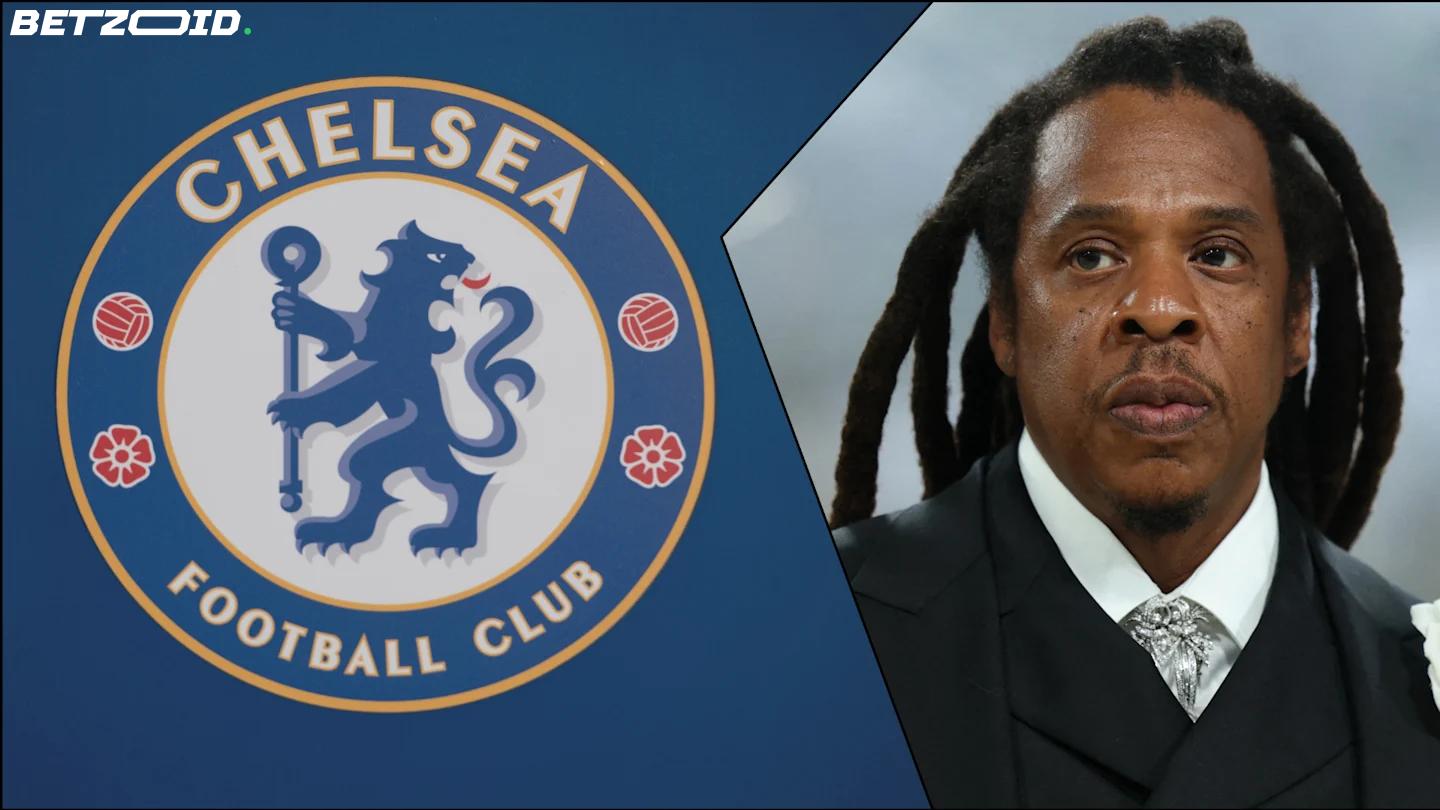
Chelsea Football Club has struck a partnership with Roc Nation Sports International — the entertainment powerhouse founded by Jay-Z — in a strategic move designed to penetrate the lucrative United States market. While the official messaging emphasizes "soccer, music and culture," the underlying objective is crystal clear: attracting American viewers, American dollars, and American supporters who haven't yet pledged allegiance to a club.
This move is vintage BlueCo. Since Todd Boehly and Clearlake Capital purchased the club from Roman Abramovich in 2022, Chelsea's ownership group has approached the football business like a tech startup transplanted into Stamford Bridge. Their unconventional methods include offering lengthy contracts to young talent, implementing an unofficial policy against signing players over 28, and now pursuing a lifestyle brand approach that wouldn't look out of place in a trendy Manhattan boardroom.
Strategic Timing Around the World Cup
The partnership's timing is no coincidence. With the FIFA World Cup set to arrive in North America this summer, the anticipated surge in soccer interest represents an opportunity savvy clubs are positioning themselves to capitalize on. Chelsea aims to establish its presence before the wave crests, rather than playing catch-up afterward.
Chelsea's brand director Scott Fenton stated clearly: "This partnership represents a major step forward in how we connect with our fans in the United States." Roc Nation's contribution isn't football expertise — it's cultural influence. The agency operates at the convergence of music, sports, and entertainment in ways few organizations globally can replicate, and that cross-platform reach is precisely what Chelsea is purchasing.
Michael Yormark, president of Roc Nation Sports International, explained the vision: "Football has never been more culturally influential in the U.S. Our ambition is to help Chelsea Football Club show up in the moments, platforms and conversations that truly matter to the modern fan."
The business case is compelling. The American market represents the most profitable territory globally, and unlike Europe, it hasn't been divided among clubs with generations of established loyalty. If Chelsea can convert even a small percentage of casual American soccer fans into committed supporters — purchasing merchandise, streaming subscriptions, and attending matches abroad — it transforms their commercial prospects considerably. In an environment where Financial Fair Play, Profit and Sustainability Rules, and Squad Cost Rules have replaced Roman Abramovich's unlimited spending, external revenue streams aren't optional. They're essential.
The DJ Khaled Marketing Misstep
However, the initial rollout prompted some skepticism. The partnership announcement included a promotional contest offering a Chelsea jersey autographed by DJ Khaled — a Roc Nation artist with significant American popularity but absolutely no football credentials. A reasonable concept on paper. The problem? The shirt featured was an outfield player's kit with the number 1 on the back — the squad number traditionally reserved for goalkeepers.
It's a minor detail. But minor details reveal how thoroughly a campaign understands the product it's marketing. Chelsea aims to earn credibility among knowledgeable American soccer fans — those who actually follow the sport — while simultaneously appealing to newcomers who've never watched a Premier League match. Balancing those objectives without disappointing either demographic is more challenging than any corporate announcement suggests.
Chelsea has outlined plans for "integrated campaigns, content drops and live experiences" throughout the coming months. Whether this translates into authentic supporter development or merely impressive-looking social media statistics remains the critical question. Transforming into an "aspirational lifestyle brand" is the declared goal. Whether that identity meshes comfortably with being a west London football club is something the Stamford Bridge faithful will undoubtedly debate.