
FIFA's Controversial World Cup Final Halftime Show Plans Draw Global Criticism
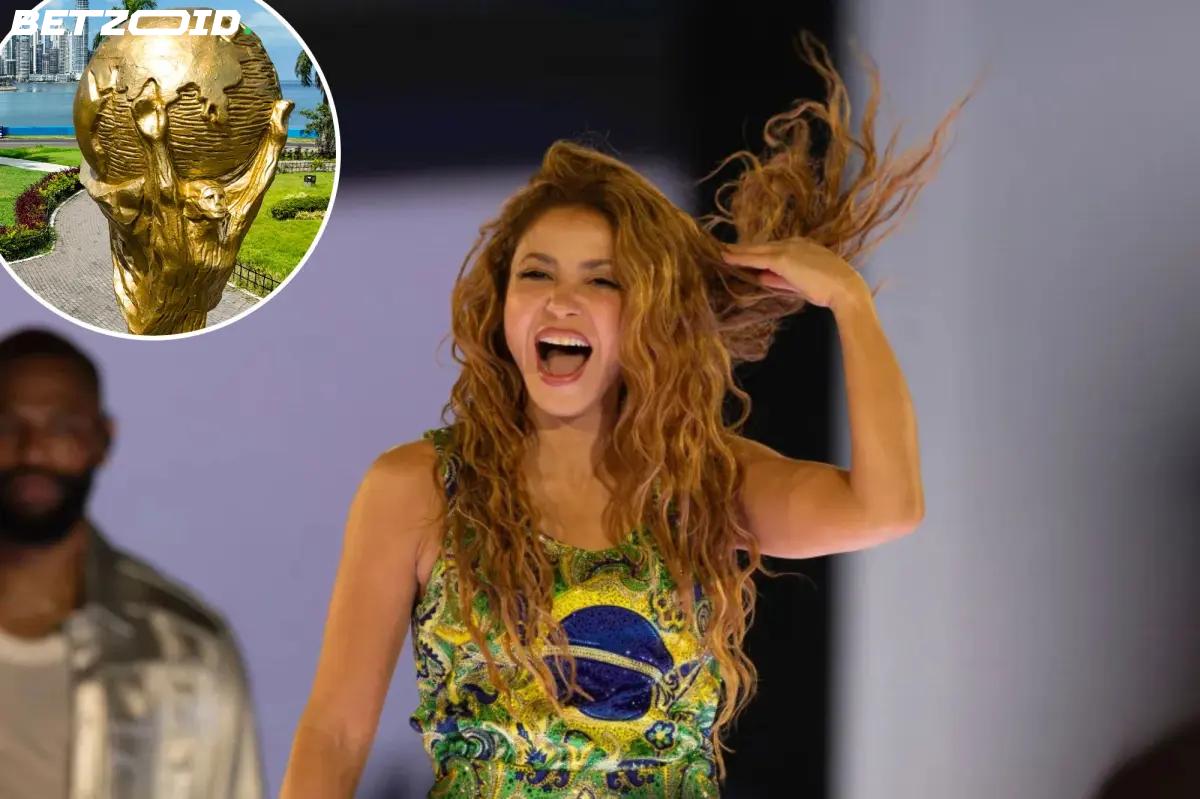
"We don't want it." Those three simple words from a social media user perfectly capture the widespread backlash to FIFA's controversial announcement regarding the World Cup final. The governing body revealed plans for an unprecedented halftime performance featuring Shakira, Madonna, and K-pop sensation BTS, with Coldplay frontman Chris Martin serving as curator.
FIFA made the announcement Thursday, confirming that the July 19 final at MetLife Stadium in New Jersey will feature what's being described as a Super Bowl-inspired entertainment segment — a first in the tournament's storied history. The organization has framed the performance as supporting the FIFA Global Citizen Education Fund, with President Gianni Infantino promoting it as "uniting music and football on sport's grandest platform for an important humanitarian purpose."
However, football supporters worldwide aren't convinced by the charitable messaging.
Why the Super Bowl Format Doesn't Translate
The criticism isn't necessarily directed at the artists themselves. Rather, fans are concerned about what this development represents for the beautiful game. The Super Bowl halftime spectacular succeeds because American football naturally incorporates extended breaks, and its audience expects entertainment beyond the sport itself. Global football operates under completely different cultural expectations. The traditional 15-minute halftime interval exists for tactical adjustments, hydration, and player recovery — not elaborate stage productions.
One social media user articulated the concern: "A halftime show at the World Cup final seems like FIFA desperately trying to imitate the Super Bowl. Players need that time to regroup and rest." Another fan was more direct: "Nobody actually wants this. Unlike American football where casual viewers tune in just for the halftime entertainment, people watch the World Cup specifically for the football and the athletes."
There are also serious practical concerns. A typical World Cup halftime lasts just 15 minutes. Accommodating three international superstars within that timeframe — including stage construction, sound verification, and breakdown — creates two problematic scenarios: either the performance overruns and players are left waiting in deteriorating conditions, or each act gets severely shortened, making the entire spectacle feel compromised and underwhelming.
American Hosting Brings Cultural Tensions
This situation reflects the inevitable friction when the United States hosts global sporting events. There's an almost automatic tendency to reshape the experience according to American entertainment conventions. It's important to distinguish this broader issue from the specific performers — Shakira's association with football through her iconic Waka Waka anthem gives her genuine credibility in this space, and her participation in the World Cup final would resonate with an entire generation of supporters. Madonna and BTS, however, appear to be selected based on entirely different criteria: demographic appeal, streaming metrics, and worldwide social media influence.
- Shakira famously performed Waka Waka as the official anthem for the 2010 World Cup held in South Africa
- Neither Madonna nor BTS have established connections to football culture
- UEFA's Champions League final on May 30 featured the Killers in a pre-match concert format instead
The Champions League approach is particularly instructive. Pre-match entertainment honours the integrity of the game itself. A halftime show disrupts it. UEFA made one strategic decision. FIFA has chosen a fundamentally different path.
Whether this ambitious production can be executed smoothly on July 19 remains uncertain. What's already crystal clear, however, is the intensity of the negative reaction, and it's not originating from people who dislike music. The criticism comes from supporters who believe the World Cup final should remain focused squarely on football.
"I despise how the US tries to Americanize everything," one user posted. That blunt assessment, though harshly worded, likely reflects the views of millions of viewers who'll be watching — and bristling — from living rooms across Bogotá, Lagos, Seoul, Toronto, and beyond.