
Your Complete Guide to the 2026 World Cup Final at MetLife Stadium
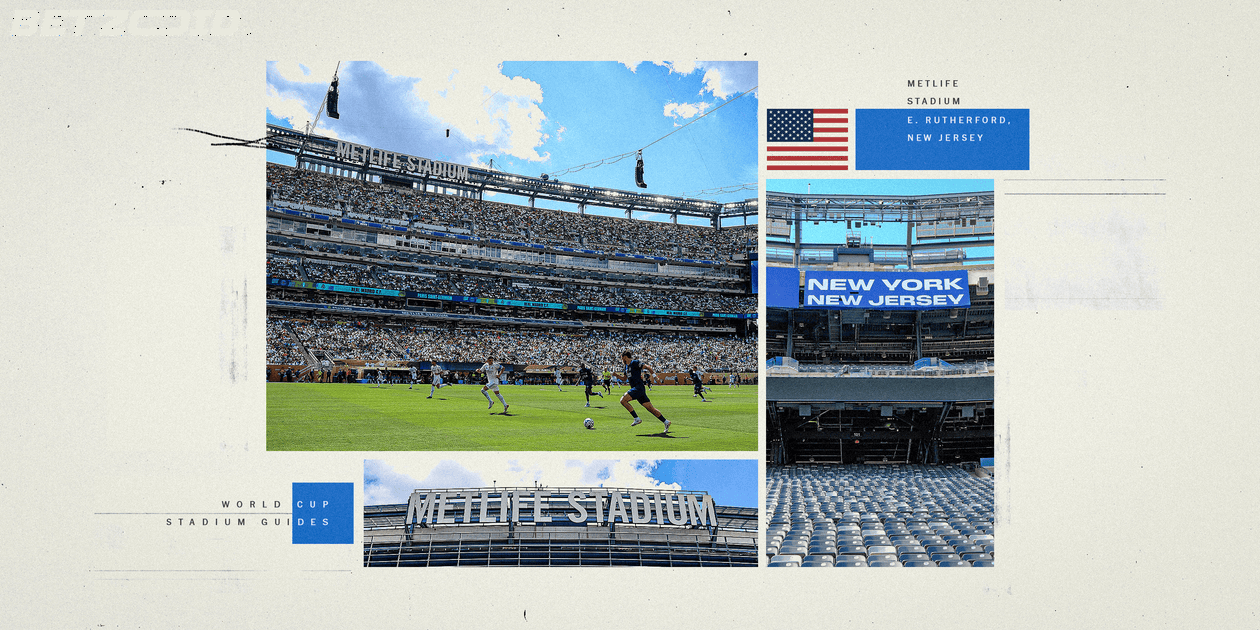
While the marketing says New York, the 2026 World Cup Final will actually take place across the Hudson River in East Rutherford, New Jersey. This geographical nuance matters to locals, but for the billions of football fans watching globally on July 19, 2026, this is New York's crowning moment.
MetLife Stadium — temporarily renamed New York New Jersey Stadium for the tournament due to FIFA's corporate sponsorship restrictions — will host eight World Cup matches in total, with the final being the centrepiece. This venue, best known for NFL action and Odell Beckham Jr.'s legendary one-handed catch in 2014, is about to become the centre of the football universe.
The Venue's Specifications
Opened in 2010 with a construction price tag of approximately $1.6 billion, MetLife ranks among America's largest stadiums. Standard capacity hovers around 82,500, though World Cup configuration will see slight adjustments to accommodate broadcasting equipment, expanded media facilities, and enhanced security zones. The venue's record NFL attendance stands at 83,367, while 82,262 fans packed in for a Manchester United versus Arsenal pre-season friendly in July 2022.
The stadium boasts significant experience with major football events. It hosted the 2016 Copa America Centenario Final — the memorable night when Lionel Messi missed his penalty in the shootout, Argentina fell to Chile, and Messi temporarily stepped away from international duty. More recently, it welcomed nine Club World Cup fixtures in 2025, including the final where 81,118 spectators watched Chelsea defeat PSG.
Uniquely in American football, two NFL teams — the Giants and Jets — call this stadium home. The lighting system alternates between blue for Giants matches and green for Jets games. During World Cup fixtures, the lights will showcase the colours of the competing nations.
Playing Surface, Climate Conditions, and Transportation
NFL venues typically use artificial turf, but FIFA mandates natural grass. Consequently, a temporary grass pitch is being transported in refrigerated lorries, meticulously installed, and continuously monitored to satisfy FIFA's stringent requirements. The pitch dimensions differ from standard NFL measurements, requiring the removal of roughly 1,750 seats to create adequate space.
The stadium is open-air, which becomes significant during a New Jersey July. Typical daytime temperatures range from 24–31°C, though heat waves can drive readings to 35°C, with humidity making conditions feel considerably worse. Thunderstorms pose a legitimate concern — Chelsea manager Enzo Maresca voiced strong complaints about weather delays during last year's Club World Cup when a round of 16 match against Benfica was postponed for nearly two hours. Spectators should pack sunscreen, headwear, and download a weather application.
Transportation planning isn't just recommended — it's essential. Following public outcry, shuttle bus pricing dropped from $80 to $20, with yellow school buses added to increase capacity. Rail service from Penn Station represents the primary alternative, though not without controversy: return tickets initially cost $150 before New Jersey Transit reduced them to $105 after widespread criticism. Car parking is scarce. Tailgating is prohibited on match days. Rideshare services drop passengers at Meadowlands Racetrack, approximately 1.6 kilometres from the venue.
- Shuttle bus from New York City: $20 (reduced from $80)
- Return train ticket from Penn Station: $105 (reduced from $150)
- Rideshare drop-off location: Meadowlands Racetrack, roughly 1.6 km away
- Tailgating banned in stadium car parks on match days
- Open-air stadium — sun exposure, heat, and storms all possible
Stadium upgrades completed before the tournament include four new corner video displays, an enhanced sound system, improved 5G wireless coverage, and additional camera positions exceeding typical NFL broadcast requirements. The three-tier bowl design delivers excellent sightlines and effectively amplifies crowd noise. With a capacity crowd for the World Cup Final, the atmosphere should be electric.
One notable absence: an official FIFA Fan Fest. The event was cancelled in February 2026, merely four months before kickoff, replaced by smaller viewing parties and street festivals. For a venue carrying New York's name in tournament branding, this represents a significant gap — though it won't diminish the spectacle inside the stadium on July 19.